
First Fix vs Second Fix Electrical: What's Involved
What first fix and second fix mean in electrical installation, what each stage includes, and the skills required.
In this guide
Understanding First Fix and Second Fix
In electrical installation, work is divided into two distinct stages: first fix and second fix. These terms are used across all construction trades, but in electrical work they refer to specific phases of the installation process. Understanding the difference is essential for electricians, builders, and homeowners alike, as each stage involves different skills, materials, and coordination with other trades.
First fix is the hidden infrastructure work carried out before the walls and ceilings are finished. Second fix is the visible finishing work done after plastering and decoration. Testing and certification run throughout both stages to ensure everything is safe and compliant with BS 7671 wiring regulations.
First Fix Electrical: The Hidden Infrastructure
First fix is where the majority of the physical installation work happens. It involves running all the cables through the building structure, installing containment systems, mounting back boxes for sockets and switches, and fitting the consumer unit. All of this work must be completed before the plasterer arrives.
Cable Installation
The core of first fix work is running cables from the consumer unit to every outlet position in the property. In a timber-frame or stud-wall construction, cables are typically run through holes drilled in joists and studs, secured with cable clips. In masonry construction (brick or block), cables are run in chased-out channels in the walls, protected by capping or conduit before being plastered over.
Cables must be installed within safe zones as defined by BS 7671. Safe zones are specific areas of walls, floors, and ceilings where cables are expected to be found, reducing the risk of damage from screws, nails, or drilling after the walls are finished. Cables run outside safe zones must be protected by earthed metal conduit or have an RCD with a rated residual operating current not exceeding 30mA.
Back Boxes
Metal or plastic back boxes are fitted at every socket, switch, and accessory position. In masonry walls, this involves chiselling out a rectangular hole (chasing) and securing the back box with plaster or fixings. The boxes are set to a depth that allows the socket or switch front to sit flush with the finished plaster surface, which requires careful coordination with the plasterer about the expected plaster depth, typically 12 to 15mm.
Containment Systems
Containment refers to the systems used to support, protect, and route cables. Common containment types used at first fix stage include:
- ✓Oval conduit: a flattened plastic conduit used in chased walls to protect cables before plastering
- ✓Round conduit: 20mm or 25mm PVC conduit used in concrete floors and for surface runs in garages and utility areas
- ✓Cable tray: perforated metal trays used in commercial installations to support large numbers of cables
- ✓Cable basket: mesh baskets used in ceiling voids for data and power cable management
- ✓Trunking: square or rectangular PVC or metal channels, used extensively in commercial settings
Consumer Unit Installation
The consumer unit (fuse board) is typically installed at first fix stage. It is mounted in its final position, usually near the meter and incoming supply. All circuit cables are terminated at the consumer unit, but the unit is not energised until second fix is complete and full testing has been carried out. The consumer unit must be located in an accessible position, and under BS 7671 (Regulation 421.1.201, a requirement introduced by Amendment 3 to the 17th Edition in 2015 and retained in the current edition), consumer units in domestic premises must have a non-combustible enclosure (or be enclosed in a cabinet made of non-combustible material).
Coordination With Other Trades
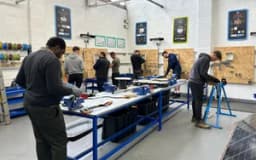
Related Course
Level 2 Diploma (2365)
The Level 2 Diploma covers first fix and second fix installation techniques in detail.
Between First and Second Fix
After first fix electrical is complete and before second fix begins, other trades carry out their work. The plasterer skims the walls and ceilings, covering the chased cables and back boxes. Decorators paint the walls and ceilings. Floor finishes may be laid. This period can last several days to several weeks depending on the project size and schedule.
Dead Testing at First Fix
Before the cables are covered by plaster, you should carry out dead testing. This includes continuity of protective conductors, continuity of ring final circuit conductors, and insulation resistance testing. Dead testing at this stage is crucial because if a fault is found after plastering, the cables are much harder to access and repair. Identifying a damaged cable or incorrect connection now saves significant time and disruption later. A full domestic rewire involves both stages across the entire property.
Record all dead test results on the Schedule of Test Results. These results form part of the final Electrical Installation Certificate issued at project completion.
Second Fix Electrical: The Finishing Stage
Second fix is where the installation comes together visually. It involves fitting all the visible accessories, making final connections, and completing the testing and certification process.
Fitting Accessories
At second fix, you return to every outlet position and fit the socket fronts, switch plates, and other accessories. This includes:
- ✓Socket outlets: connecting conductors, fitting the front plate to the back box
- ✓Light switches: 1-gang, 2-gang, intermediate, and dimmer switches
- ✓Ceiling roses and pendant lampholders
- ✓Downlights: cutting holes in the ceiling, fitting the downlight bodies and lamps
- ✓Fan isolator switches and pull-cord switches in bathrooms
- ✓Cooker switches and connections
- ✓Fused connection units for fixed appliances like boilers and extractor fans
- ✓Smoke and heat alarms
- ✓External accessories: weatherproof sockets, security lights, and outside wall lights
Making Final Connections
Beyond fitting accessories, second fix involves making all final connections in the consumer unit, connecting light fittings, wiring the cooker and hob, connecting the extractor fans, and terminating any data or TV outlets. All connections must be made carefully with correct conductor identification (brown for line, blue for neutral, green/yellow for earth) and appropriate torque settings on terminals.
Full Testing and Certification
Once all second fix work is complete and the supply is energised, you carry out the full suite of electrical tests required by BS 7671. This includes the dead tests from first fix (which you verify are still correct) plus live testing:
- ✓Earth fault loop impedance (Zs) on every circuit
- ✓Prospective fault current (PSCC) at the origin of the installation
- ✓RCD testing: operating times at 1x, 5x rated residual current
- ✓Polarity checks on every outlet
- ✓Functional testing of all switchgear, controls, and interlocks
All test results are recorded on the Schedule of Test Results, and an Electrical Installation Certificate (EIC) is issued to certify that the installation complies with BS 7671. If the work is notifiable under Part P of the Building Regulations, it must also be registered with building control through your competent person scheme. Understanding the different circuit types is essential for planning both first and second fix work.
Skills Required for Each Stage
Both stages require different skills, and a fully qualified electrician is competent in both. Understanding the skills involved helps trainees appreciate what they are working towards.
First Fix Skills
- ✓Reading electrical drawings and layout plans
- ✓Knowledge of cable safe zones and installation methods (see our consumer unit guide for distribution board layout)
- ✓Physical skills: drilling joists, chasing walls, running cables through difficult routes
- ✓Understanding of containment systems and their appropriate applications
- ✓Coordination and communication with other trades on site
- ✓Knowledge of building regulations and fire stopping requirements
Second Fix Skills
- ✓Precise wiring and termination of accessories
- ✓Understanding of conductor identification and correct connections
- ✓Competent use of multifunction testers and recording of test results
- ✓Knowledge of BS 7671 testing requirements and acceptable values
- ✓Ability to complete electrical certification documentation accurately
- ✓Customer-facing communication and handover skills
Both Stages Matter Equally
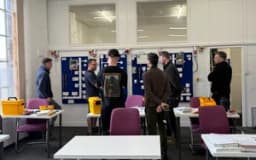
Related Course
Level 3 Diploma (2365)
The Level 3 Diploma covers advanced installation techniques including complex first and second fix work.
Frequently Asked Questions
What is the difference between first fix and second fix electrical?
How long does first fix electrical take?
Can you do second fix before plastering?
Who coordinates first fix electrical with other trades?
Is dead testing done at first fix or second fix?
Ready to Start Training?
Browse our City & Guilds accredited courses and take the next step in your electrical career.
Related Guides
A Day in the Life of an Electrician
What a typical working day looks like for domestic and commercial electricians at different career stages.
Read guideElectrician Van Setup: Kit, Storage & Best Vans
Practical advice on choosing and fitting out a van for electrical work — popular models, racking systems, and costs.
Read guideHow to Quote Electrical Jobs: Pricing Guide for Electricians
How to price electrical work — day rates, fixed pricing, common job costs, and tips for winning quotes.
Read guideElectrical Certificates Explained: EIC, EICR & Minor Works
The three UK electrical certificates — EIC, Minor Works Certificate and EICR. An EIC certifies new work; an EICR reports on an existing installation.
Read guide