
City & Guilds 5357: New Level 3 Electrotechnical Qualification
What City & Guilds 5357 (5357-95 and 5393-43) means — the qualification replacing the 2357 NVQ from 31 October 2026, and the new ECS Gold Card route.
In this guide
What Is City & Guilds 5357?
City & Guilds 5357 is the new Level 3 Electrotechnical qualification that replaces the 2357 NVQ as the industry's on-site competence standard. It is part of a UK-wide reform led by TESP (The Electrotechnical Skills Partnership) that affects every awarding body, not just City & Guilds — the same reform behind the 5393-43 domestic qualification and equivalent updates from other bodies such as EAL.
Like the 2357 it replaces, 5357 is assessed almost entirely in the workplace — through a portfolio of evidence, professional discussion, and assessor observations of real electrical work. What changes is when you take it and how it fits with your diplomas, which we cover below.
This guide explains the two 5357 registration routes, how the new sequential pathway to the ECS Gold Card works, the key dates you need to know, and what Recognition of Prior Learning (RPL) means if you already hold qualifications from another awarding body.
5357-95 vs 5357-94: Two Registration Routes, One Standard
5357 is not a single qualification number — it is a standard delivered through two registration routes, plus a separate domestic-only qualification. Understanding which one applies to you matters more than memorising the codes.
5357-95 — the non-apprentice installation route
5357-95 is for electricians who are not on a formal apprenticeship — adult learners, career changers, and experienced workers training through a college or independent training provider. It covers the full installation scope (domestic, commercial, and industrial work) and leads to the JIB ECS Gold Card, the same destination the 2357 leads to today.
5357-94 — the apprenticeship route
5357-94 covers the same standard and the same evidence requirements as 5357-95, but is registered through an approved apprenticeship programme with an employer. If you are not an apprentice, this route does not apply to you — 5357-95 is the one you need.
5393-43 — the domestic-only route
Alongside 5357-95 and 5357-94 sits 5393-43 (Electrotechnical in Dwellings) — a shorter, domestic-only qualification for electricians who intend to work exclusively on dwellings. It runs to around 18 months and ends with the AM2D rather than the full AM2. See our dedicated 5393-43 domestic electrician guide for the full breakdown.
The New Route to the Gold Card: Diplomas First, Then Competence
The biggest practical change is the order in which you complete your qualifications. Under the current 2357, many learners start gathering on-site NVQ evidence while still finishing their Level 3 Diploma. Under 5357-95/5357-94, the route is sequential:
- ✓Complete the Level 2 and Level 3 Diplomas (classroom-based knowledge units) first
- ✓Move into a minimum two-year on-site competence portfolio, working and earning as an ECS Trainee electrician throughout
- ✓Sit the AM2 practical assessment (AM2D for the domestic-only route) once your portfolio is signed off
- ✓Apply for your ECS Gold Card
You still earn a wage the entire time you are building your on-site portfolio — the reform does not change the fact that this is paid, on-the-job competence-building, not unpaid work experience. What it removes is the option of overlapping your diploma study with your NVQ evidence-gathering, which is why the current 2357 is significantly faster for anyone who can register before it closes.
Why the minimum two years?
Key Dates: When the 2357 Closes
The transition has two dates that matter, and they are easy to mix up:
- ✓31 October 2026 — the final date you can register on the 2357 NVQ. After this date, new starters use 5357-95, 5357-94, or 5393-43.
- ✓31 December 2029 — the final date anyone already registered on the 2357 can be certificated. If you register before October 2026, you have until the end of 2029 to complete and certificate under the current standard.
Registered ≠ certificated
Recognition of Prior Learning (RPL)
One of the stated aims of the reform is to stop qualifications being tied so tightly to a single awarding body. Under the new specification, Recognition of Prior Learning (RPL) accepts equivalent Level 2 and Level 3 electrical qualifications from other awarding bodies — most notably EAL's 8202 diplomas — as well as City & Guilds 2365.
In practice, this means an electrician who trained through EAL rather than City & Guilds should not need to repeat classroom-based learning they have already completed to a recognised standard before starting their on-site competence portfolio. Ask your training provider to confirm exactly which prior qualifications map across before you enrol.
What Should You Do Now?
If you are planning to train as an electrician, your route is the sequential 5357: complete your Level 2 and Level 3 diplomas first, then build a minimum 24-month on-site competence portfolio before the AM2. Bookings for the 5357 open 24 October 2026, with City & Guilds registration from 1 November 2026.
The 2357 is closed to new public sign-ups — existing Total Skills Level 2 / Level 3 diploma learners can still register on it via their learner portal until 24 October 2026.
For the full transition story — including why the reform is happening and how it affects apprentices as well as adult learners — see our 2357 to 5357 transition guide.
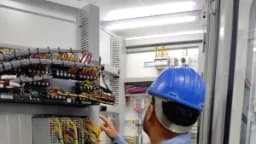
Related Course
5357 Level 3 Electrotechnical
Bookings for the 5357 Level 3 Electrotechnical Qualification open 24 October 2026 — view the course
Frequently Asked Questions
What is City & Guilds 5357?
When does the 2357 NVQ close?
What's the difference between 5357-95 and 5357-94?
Do I have to finish my diplomas before starting the on-site qualification?
Does 5357 recognise qualifications from other awarding bodies?
What is 5393-43?
Should I still enrol on the 2357 now, or wait for 5357?
Ready to Start Training?
Browse our City & Guilds accredited courses and take the next step in your electrical career.
Related Guides
Become an Electrician Without an Apprenticeship: Diploma Route
Yes — become an electrician without an apprenticeship via the C&G 2365 diploma route. Full-time training, no employer needed, qualified in 8–12 months.
Read guideNVQ Level 3 Electrical: Everything You Need to Know
A complete guide to the City & Guilds 2357 NVQ Level 3 — who it is for, how it works, evidence requirements, and how it leads to your gold card.
Read guideNVQ Level 2 Electrical: Why It Doesn’t Exist & What You Need
There is no NVQ Level 2 in Electrical Installation. The qualification you need is the C&G 2365-02 Level 2 Diploma — we explain the difference.
Read guideAM2 Assessment: What to Expect & How to Prepare (2026 Guide)
Everything you need to know about the AM2 practical assessment — format, tasks, pass rates, costs, and how to prepare with the right training.
Read guide