
How Much Does an Electrician Make? UK Salary Guide 2026
UK electricians make £39,039 on average (ONS 2025) — £18.38–£22.70/hr on JIB 2026 rates, £45k–£70k self-employed. Hourly, monthly, annual and London pay.
In this guide
How Much Does an Electrician Make in the UK?
An electrician in the UK makes £39,039 per year on average (ONS ASHE 2025 median) — about £3,253 per month gross, or roughly £2,600 take-home. On JIB 2026 rates, a qualified electrician earns £35,841 to £44,265 per year (£18.38 to £22.70 per hour) depending on grade, while self-employed electricians typically take home £45,000 to £70,000.
Quick Answer
Where you sit in that range depends on grade, region, and employment type. Specialists in EV, solar, or data-centre work can exceed the self-employed average, newly qualified electricians start at £28,000 to £35,000, and senior technicians and contractors regularly earn £50,000 to £70,000+.
With a well-documented skills shortage — the UK needs an estimated 104,000 new electricians by 2032 — wages have risen consistently and show no sign of slowing down. The JIB three-year wage deal delivered 3.95% in January 2026, with a further 4.6% already confirmed for January 2027 and 4.85% for January 2028 — approximately 13.9% in cumulative pay increases between 2026 and 2028.
Whether you are considering a career change into the electrical trade or want to know what you should be earning as a qualified electrician, this guide provides a comprehensive breakdown of electrician salaries across the UK in 2026. We cover ONS official data, JIB recommended rates, regional variations, self-employed day rates, specialist premiums, and how to maximise your earning potential.
Work Out Your Personal Uplift
Reading about average pay is one thing — seeing your own numbers is another. Enter your current salary and pick an electrician pathway to see the pounds-per-year uplift, how fast the course pays for itself, and your five- and ten-year extra earnings.
Prefer the full page version with source citations and all four pathways compared side-by-side? Open the full earnings calculator →
Electrician Wages in 2026: Hourly, Monthly and Annual
Before we go into detail, here are the headline electrician wages for the UK in 2026 — annual, monthly and hourly — based on the ONS Annual Survey of Hours and Earnings (ASHE) 2025 data and the JIB 2026 National Working Rules:
- ✓ONS ASHE 2025 median salary (SOC 5241): £39,039 per year
- ✓ONS median per month: approximately £3,253 gross — around £2,600 take-home
- ✓JIB 2026 Electrician rate: £18.38/hr — £35,841 per year
- ✓JIB 2026 Approved Electrician rate: £20.08/hr — £39,156 per year
- ✓JIB 2026 Technician rate: £22.70/hr — £44,265 per year
- ✓Self-employed day rates: £250 to £450 depending on specialism
- ✓Self-employed net profit (typical): £45,000 to £70,000 per year
- ✓Newly qualified starting salary: £28,000 to £35,000
- ✓Top-end employed (specialist/management): £55,000 to £70,000+
ONS vs JIB Figures
Average Wage for an Electrician by Experience and Region
For a quick comparison, the two tables below summarise the average salary figures covered in this guide — first by career stage, then by region using the ONS ASHE 2025 median data for electricians and electrical fitters. The spread around the £39,039 national median is wide, so use these as benchmarks rather than exact figures for your situation.
Average Salary by Experience Level (2026)
| Career Stage | Typical Salary (per year) |
|---|---|
| Apprentice (JIB Stages 1-4) | £15,900 - £27,400 |
| Newly qualified (0-3 years) | £28,000 - £35,000 |
| Experienced (3-5 years) | £35,000 - £42,000 |
| Senior / Technician (5-10+ years) | £42,000 - £50,000 |
| Principal / Contracts Manager | £55,000 - £70,000+ |
| Self-employed domestic | £45,000 - £70,000 net |
| Self-employed commercial / industrial | £55,000 - £80,000+ net |
Average Salary by Region (ONS ASHE 2025 Median)
| Region | ONS Median Salary |
|---|---|
| South East | £42,431 |
| Yorkshire and the Humber | £41,620 |
| North West | £41,401 |
| West Midlands | £39,921 |
| East Midlands | £39,842 |
| London | £39,267 |
| Scotland | £37,928 |
| East of England | £37,539 |
| South West | £36,270 |
| North East | £35,175 |
| Wales | £34,719 |
| UK median (all regions) | £39,039 |
If you are not yet qualified and these figures look appealing, our how to become an electrician guide maps the full qualification route from beginner to Gold Card. Most adult learners start with the Level 2 Diploma in Electrical Installation or the combined Level 2 & 3 Diploma Package, then progress through the NVQ Level 3 to full qualification.
Electrician Salary UK Per Month
Annual salaries can be hard to compare with your current payslip, so here is what electrician pay looks like per month in 2026. Gross monthly figures are simply the annual salary divided by twelve; take-home estimates assume standard tax and National Insurance deductions with no pension or student loan.
- ✓ONS median (£39,039/yr): approximately £3,253 per month gross — around £2,600 take-home
- ✓JIB Electrician (£35,841/yr): £2,987 per month gross — around £2,440 take-home
- ✓JIB Approved Electrician (£39,156/yr): £3,263 per month gross — around £2,600 take-home
- ✓JIB Technician (£44,265/yr): £3,689 per month gross — around £2,950 take-home
- ✓Newly qualified (£28,000-£35,000/yr): £2,333-£2,917 per month gross — around £1,950-£2,400 take-home
- ✓Self-employed (net £45,000-£70,000/yr): £3,750-£5,833 per month after business expenses, before tax
Overtime makes a significant difference to monthly pay. An electrician on the JIB Approved rate who works one Saturday per month at double time adds roughly £320 per month to their gross pay. Self-employed monthly income fluctuates with workload — most electricians budget around a quieter month in August and December and stronger demand in spring and autumn.
If you are weighing up a career change, compare these figures with your current monthly take-home pay — and remember the JIB rates rise a further 4.6% in January 2027. Our career change to electrician guide walks through the numbers in more detail.
Electrician Annual Salary by Experience Level (2026)
Apprentice Electrician: £15,900 - £27,400
Apprentice electricians earn a wage from day one. The JIB 2026 rates set recommended apprentice pay that increases at each stage of the apprenticeship:
- ✓Stage 1: £8.16/hr — approximately £15,900 per year
- ✓Stage 2: £10.60/hr — approximately £20,670 per year
- ✓Stage 3: £13.05/hr — approximately £25,450 per year
- ✓Stage 4: £14.03/hr — approximately £27,360 per year
These JIB rates are significantly above the national minimum apprentice wage of £8.00 per hour (from April 2026). JIB apprentice rates are frozen at 2025 levels during 2026, then rise by 2% in January 2027 and 3% in January 2028 under the three-year deal. Some employers, particularly in London and areas with acute demand, pay above JIB rates to attract and retain apprentices. The statutory national minimum wage applies as a legal floor, but the JIB rates are the industry standard.
Adult Diploma Route
Newly Qualified Electrician: £28,000 - £35,000
Once you hold your ECS Gold Card and are working as a qualified electrician, starting salaries typically range from £28,000 to £35,000. The JIB 2026 Electrician rate of £18.38 per hour equates to £35,841 per year at a standard 37.5-hour week. With the current skills shortage, many employers are offering above JIB rates to attract newly qualified electricians.
Experienced Electrician (3-5 Years): £35,000 - £42,000
With a few years of post-qualification experience, electricians typically earn between £35,000 and £42,000. At this stage, you should be working at the JIB Approved Electrician rate of £20.08 per hour (£39,156 per year). This aligns closely with the ONS ASHE median of £39,039 for electricians — reflecting that most electricians in the workforce sit in this experience bracket.
Senior Electrician / Technician (5-10+ Years): £42,000 - £50,000
Senior electricians, site supervisors, and those with specialist skills regularly earn £42,000 to £50,000 per year. The JIB 2026 Technician rate of £22.70 per hour gives a base salary of £44,265 before any overtime or allowances. At this level, you may be leading a team, managing projects, or working in a specialist area that commands premium rates. Overtime and weekend work can push total earnings well above £50,000.
Principal / Contracts Manager: £55,000 - £70,000+
Electricians who progress into principal electrician, contracts manager, or project management roles can earn £55,000 to £70,000+ per year. These roles typically involve managing multiple sites, overseeing teams of electricians, handling client relationships, and taking responsibility for project delivery. In London and the South East, salaries at this level can exceed £75,000 for major commercial and infrastructure projects.
Self-Employed Domestic Electrician: £45,000 - £70,000
Self-employed electricians focusing on domestic work — rewires, consumer unit upgrades, extensions, and EICRs — typically earn a net profit of £45,000 to £70,000 per year. Day rates of £250 to £400 are standard, and the flexibility to choose your own hours and clients makes this the most popular route for electricians with 3 to 5 years of experience. For a detailed breakdown, see our self-employed electrician guide.
Self-Employed Commercial / Industrial: £55,000 - £80,000+
Self-employed electricians working in commercial and industrial sectors command higher day rates of £300 to £500, reflecting the additional qualifications, insurance requirements, and complexity involved. Net profits of £55,000 to £80,000+ are achievable for those with established client relationships and the right certifications. Contract work in data centres, industrial plants, and major construction projects sits at the top end.
Business Owner (With Team): £80,000 - £150,000+
Electricians who build a business beyond their own labour — employing other electricians, apprentices, and labourers — can earn £80,000 to £150,000+ per year. This requires strong business management skills alongside electrical competence. Successful electrical business owners typically start by taking on an apprentice or mate, then gradually build a team while maintaining quality and reputation. For many, this is the long-term pathway to six-figure earnings in the trade.
Specialist Roles: £50,000 - £65,000+
Electricians in specialist roles — data centres, industrial installations, high-voltage work, testing and inspection — can exceed £50,000 per year as employees. Data centre roles in particular pay £55,000 to £65,000+ for the right combination of qualifications and experience. Contract rates in these sectors range from £350 to £500 per day. See our data centre electrician guide for more on this high-paying specialism.

Related Course
Level 2 Diploma (2365)
Start your electrical career — the Level 2 Diploma is the first step towards these earning levels.
JIB 2026 Recommended Pay Rates
The Joint Industry Board (JIB) for the Electrical Contracting Industry sets recommended pay rates that the majority of employers follow. These are not legally binding minimums but are widely respected across the industry, particularly by larger contractors and those operating under the JIB National Working Rules. The 2026 rates — effective from 5 January 2026 — reflect a 3.95% increase over 2025, the first year of a landmark three-year wage deal.
2026 Qualified Rates
- ✓JIB Technician: £22.70/hr — £44,265 per year
- ✓JIB Approved Electrician: £20.08/hr — £39,156 per year
- ✓JIB Electrician: £18.38/hr — £35,841 per year
2026 Apprentice Rates
- ✓Stage 1: £8.16/hr — £15,912 per year
- ✓Stage 2: £10.60/hr — £20,670 per year
- ✓Stage 3: £13.05/hr — £25,448 per year
- ✓Stage 4: £14.03/hr — £27,359 per year
Apprentice rates are frozen at 2025 levels for 2026 — following substantial increases of up to 26% in 2025 — and will rise by 2% in January 2027 and 3% in January 2028 under the same three-year agreement. Annual figures are calculated on a standard 37.5-hour working week. Many employers also pay travel time, site allowances, and overtime at enhanced rates (typically time-and-a-half for weekdays and double time for weekends), which can add significantly to total earnings. For the complete rate card — including London M25 rates, apprentice stages, and the agreed 2027 and 2028 uplifts — see our JIB rates for 2026 guide.
JIB 2026-2028 Wage Deal
JIB Grading Explained
Your JIB grade determines your pay rate, and the gaps between grades are significant. The difference between Electrician (£35,841) and Approved Electrician (£39,156) is over £3,300 per year. Moving from Approved to Technician adds another £5,100 per year — electrical technician pay at the Technician grade is £22.70/hr (£44,265/yr) nationally and £25.47/hr (£49,667/yr) inside the M25 in 2026. To progress through the grades, you need to demonstrate increasing competence, hold the relevant qualifications, and typically have your employer support your grading application. Holding an ECS Gold Card is essential for working at the JIB Electrician rate and above.
Regional Salary Breakdown
Electrician salaries vary significantly across UK regions. The following figures are based on ONS ASHE 2025 median data for SOC 5241 (Electricians and Electrical Fitters), giving the most accurate regional picture available:
London & South East: £40,000 - £55,000 (employed)
The highest-paying region in the UK, with an ONS median of £42,431 for the South East. Employed electricians typically earn £40,000 to £55,000, driven by major infrastructure projects, data centre construction (particularly in Slough and the M4 corridor), and strong residential demand. Self-employed electricians in London and the South East earn £60,000 to £90,000 net, with day rates of £300 to £450 standard. London weighting and site allowances on major projects push employed compensation even higher.
Yorkshire (Sheffield, Leeds): £31,000 - £41,000 (employed)
A strong region that outperforms expectations, with the ONS median of £41,620 placing it second nationally. Major cities like Leeds, Sheffield, and Hull offer competitive employed salaries of £31,000 to £41,000, boosted by manufacturing, data centres, and significant infrastructure investment. Self-employed day rates of £260 to £360 are typical.
North West (Manchester): £33,000 - £44,000 (employed)
Manchester, Liverpool, and the surrounding areas offer an ONS median of £41,401. Employed electricians earn £33,000 to £44,000. The region benefits from large-scale construction, data centre growth, and a thriving commercial sector. Self-employed day rates range from £260 to £370. Combined with significantly lower living costs than the South East, the North West offers strong real purchasing power for electricians.
West Midlands (Birmingham): £33,000 - £43,000 (employed)
Birmingham and the surrounding region report an ONS median of £39,921. HS2, major commercial developments, and strong industrial demand keep wages competitive. Employed electricians earn £33,000 to £43,000 depending on experience. Self-employed day rates of £260 to £360 are common.
East Midlands (Nottingham, Derby, Leicester): £32,000 - £42,000 (employed)
The East Midlands reports an ONS median of £39,842 — very close to the national figure. In Nottingham specifically, employed electricians typically earn £32,000 to £42,000 depending on experience, with larger contractors and industrial sites paying at the upper end. The region benefits from strong manufacturing and logistics sectors, with major distribution centres creating consistent demand for commercial electricians.
Self-employed electricians in the East Midlands earn £45,000 to £65,000 net, typically charging £250 to £350 per day for domestic work. With lower overheads than London or the South East (particularly rent, insurance, and parking), the net earnings are highly competitive. The East Midlands also has a particularly acute electrician shortage — the region's vacancy-to-applicant ratio is among the highest in the UK, keeping upward pressure on wages.
Training in Nottingham
London Electrician Salary: £38,000 - £50,000 (employed)
Perhaps surprisingly, London's ONS median of £39,267 sits below the South East and several northern regions. This reflects the mix of employed and self-employed workers captured by the survey. In practice, employed electricians in London typically earn £38,000 to £50,000 when site allowances, London weighting, and overtime are included. Self-employed electricians in London earn £60,000 to £90,000+ net, with day rates of £300 to £450 common. However, the high cost of living — particularly housing and transport — reduces real purchasing power compared to regions with similar headline earnings.
The JIB sets separate, higher rates for work within the M25. For 2026, the London rates are £20.58/hr for an Electrician (£40,131/yr), £22.48/hr for an Approved Electrician (£43,836/yr), and £25.47/hr for a Technician (£49,667/yr) — a premium of £2.20 to £2.77 per hour over the national rates. Electricians using their own vehicle earn a further £1.11 to £1.26 per hour on top. Major data-centre construction along the M4 corridor, infrastructure projects, and sustained residential demand keep London-day-rate premiums among the strongest in the country.
Scotland: £32,000 - £42,000 (employed)
Scotland reports an ONS median of £37,928. Edinburgh and Glasgow offer the strongest earnings, with employed salaries of £32,000 to £42,000. Offshore wind projects along the east coast and data centre developments in Edinburgh are creating premium-rate opportunities. Self-employed day rates range from £250 to £350.
East of England: £37,539
The East of England, including Cambridge, Norwich, and Ipswich, has an ONS median of £37,539. The Cambridge tech corridor creates pockets of high demand, while rural areas see lower rates. Self-employed day rates of £250 to £340 are typical.
South West England: £36,270
Bristol, Bath, and the South West report an ONS median of £36,270. Bristol itself pays competitively at £34,000 to £42,000 employed, but rural Devon and Cornwall bring the regional average down. Tourism-driven areas see seasonal spikes in demand. Self-employed day rates range from £240 to £330.
North East England: £35,175
Newcastle, Sunderland, and the North East have an ONS median of £35,175. While headline figures are lower, the cost of living is significantly below the national average, meaning real purchasing power is competitive. Major infrastructure projects and the offshore wind sector provide premium-rate opportunities. Self-employed day rates of £230 to £320 are typical.
Wales: £30,000 - £40,000 (employed)
Wales reports the lowest regional ONS median at £34,719. Cardiff and Swansea offer the strongest earnings within the region, with employed salaries of £30,000 to £40,000. Large-scale renewable energy projects, particularly wind and solar, are creating growing demand. Self-employed day rates of £230 to £310 are typical, with lower costs of living providing a good quality of life.
Electrician Salary in London (2026)
Looking for a London electrician salary specifically? Employed electricians in London typically earn £38,000 to £50,000 per year — roughly £3,170 to £4,170 per month gross — once site allowances, London weighting, and overtime are included. The JIB sets separate, higher rates for work within the M25: in 2026 an Electrician earns £20.58/hr (£40,131/yr), an Approved Electrician £22.48/hr (£43,836/yr), and a Technician £25.47/hr (£49,667/yr). The full London rate card, including the agreed 2027 and 2028 uplifts, is in our JIB rates for 2026 guide.
Self-employed electricians in London earn £60,000 to £90,000+ net, with day rates of £300 to £450 standard — sustained by data-centre construction along the M4 corridor, major infrastructure projects, and relentless residential demand. The trade-off is the cost of living: high housing and transport costs erode real purchasing power, so many electricians live in the South East (ONS median £42,431) and commute into the M25 for the higher day rates.
Salary by Electrical Specialism
Your specialism has a significant impact on earnings. Electricians who diversify into high-demand areas command premium rates — often £5,000 to £20,000 above general electricians at the same experience level. Here is how the main specialisms compare for employed electricians in 2026:
- ✓Domestic electrician: £35,000 - £55,000 — rewires, consumer units, extensions, new builds
- ✓Commercial electrician: £38,000 - £48,000 — offices, retail, hospitality fit-outs
- ✓Industrial electrician: £40,000 - £55,000 — factories, plants, heavy machinery
- ✓EV Charging specialist: £40,000 - £60,000 — domestic and commercial charger installations
- ✓Solar PV installer: £35,000 - £55,000 — panels, battery storage, MCS certification
- ✓Inspection & Testing specialist (2391): £45,000 - £65,000 — EICRs, periodic testing, compliance
- ✓Data centre electrician: £45,000 - £70,000 — mission-critical power distribution, UPS systems
- ✓Fire alarm specialist: £35,000 - £50,000 — fire detection, emergency lighting, BS 5839
- ✓Maintenance electrician: £32,000 - £42,000 — reactive and planned maintenance contracts
The highest earners typically combine two or more specialisms — for example, offering both installation and testing, or combining EV charging with solar PV. This allows you to offer a complete service to customers and command higher rates. For a deeper comparison of domestic and commercial routes, see our domestic vs commercial electrician guide, and for a full ranking of the best-paid niches, read our highest paying electrical specialisms guide.
Growing Green Skills Premium
Electrician Day Rates 2026
Day rates are the standard measure of earning power for self-employed electricians and contractors. Here is what electricians charge per day in 2026, broken down by employment type:
By Employment Type
- ✓Employed (effective day rate): £150 - £250/day
- ✓Self-employed domestic: £250 - £400/day
- ✓Self-employed commercial: £300 - £500/day
- ✓Contract (industrial / data centre): £350 - £600/day
By Specialism (Self-Employed)
- ✓General domestic work: £250 - £350 per day
- ✓Commercial installations: £300 - £400 per day
- ✓Testing and inspection (EICRs): £300 - £400 per day
- ✓EV charger installation: £300 - £450 per day
- ✓Solar PV and battery storage: £300 - £400 per day
- ✓Industrial / data centre work: £350 - £500 per day
- ✓Emergency / out-of-hours callouts: £400+ per day
Day rates vary by region, with London and the South East commanding 15-25% premiums over the Midlands and North. For a comprehensive breakdown of how to set and negotiate your rates, see our electrician day rates guide.
Electrician Hourly Rates 2026
Hourly rates matter for employed electricians comparing job offers and for self-employed electricians pricing smaller jobs and call-outs. Here is what electricians earn and charge per hour in 2026:
Employed Hourly Rates (JIB 2026)
- ✓Electrician: £18.38/hr national — £20.58/hr London (within M25)
- ✓Approved Electrician: £20.08/hr national — £22.48/hr London
- ✓Technician: £22.70/hr national — £25.47/hr London
- ✓Own transport allowance: +£1.11 to £1.26/hr when using your own vehicle
- ✓Apprentices: £8.16/hr (Stage 1) to £14.03/hr (Stage 4)
Self-Employed Hourly Rates
Self-employed electricians typically charge £40 to £75 per hour for domestic call-out and smaller jobs, often with a minimum call-out charge of £80 to £120 covering the first hour. Calculated from day rates over a full working day, the effective hourly rate is closer to £30 to £60 per hour. London and the South East sit at the top of these ranges.
Overtime Rates
Under the JIB National Working Rules, overtime is typically paid at time-and-a-half for weekday evenings and double time for weekends and bank holidays. At the 2026 Approved Electrician rate, that means £30.12/hr for evening overtime and £40.16/hr at weekends. Regular overtime can add £5,000 to £15,000 per year to an employed electrician's income.
Job Offer Benchmark
Self-Employed Electrician Earnings
Self-employment is where many electricians see the biggest jump in earnings. As a self-employed electrician, you set your own rates and choose your own work. However, you also bear the costs of running a business — van, tools, insurance, accountancy, materials, and periods without work. For a detailed breakdown of running your own electrical business, see our self-employed electrician guide.
Self-employed day rates range from £250 to £500+ depending on specialism and location — see our electrician day rates guide for a full breakdown by specialism and region.
Employed vs Self-Employed: A Direct Comparison
The difference between employed and self-employed earnings is substantial, but so is the difference in risk and responsibility. Here is a realistic comparison for an electrician with 5 years of experience:
- ✓Employed (JIB Approved rate): £39,156 base + £3,000-£6,000 overtime = £42,000-£45,000 total. Employer provides van, tools, pension, sick pay, and holiday pay.
- ✓Self-employed (£300/day, 220 days): £66,000 gross - £8,000-£12,000 expenses = £54,000-£58,000 net. You provide everything yourself and bear the risk of quiet periods.
- ✓Self-employed (specialist, £400/day, 220 days): £88,000 gross - £10,000-£14,000 expenses = £74,000-£78,000 net. Requires specialist qualifications and an established client base.
The self-employed route typically delivers 30% to 60% higher net earnings than employment, but requires several years of experience, a reliable customer base, and the ability to manage the administrative side of running a business.
Realistic Annual Earnings
Most self-employed electricians work around 220 to 230 days per year (allowing for holidays, bank holidays, sick days, and the occasional quiet spell). At a day rate of £300, this gives gross revenue of approximately £66,000 per year.
After deducting typical business expenses:
- ✓Van running costs (fuel, insurance, maintenance): £5,000 - £8,000 per year
- ✓Public liability and professional indemnity insurance: £300 - £600 per year
- ✓NICEIC or NAPIT membership: £300 - £500 per year
- ✓Tool replacement and calibration: £500 - £1,500 per year
- ✓Accountancy fees: £600 - £1,200 per year
- ✓Materials (not recharged to customer): variable
- ✓Van lease or finance: £3,000 - £5,000 per year (if applicable)
Net profit for a self-employed domestic electrician typically ranges from £45,000 to £58,000 per year. Those working in specialist areas or commercial work can exceed £65,000. For a full breakdown of startup and running costs, see our cost to become an electrician guide.
Going Self-Employed
The Skills Shortage Effect on Wages
The electrician skills shortage is the single biggest factor driving wage growth in the UK electrical industry, and it is only getting more acute. The numbers paint a stark picture:
- ✓The UK needs an estimated 104,000 new electricians by 2032 to meet demand
- ✓The current vacancy-to-apprenticeship ratio is 227:1 — for every apprenticeship started, there are 227 unfilled positions
- ✓Net Zero targets require massive electrical infrastructure buildout (EV charging, solar, heat pumps, battery storage)
- ✓An ageing workforce — a significant proportion of qualified electricians will retire within the next decade
- ✓Data centre construction is creating thousands of new high-paying electrical roles
This structural shortage means electricians are in a strong negotiating position. The JIB 2026-2028 wage deal — delivering approximately 13.9% cumulative growth — is a direct response to the difficulty employers face in recruiting and retaining qualified electricians. Self-employed electricians are benefiting even more, with day rates rising faster than employed salaries as demand outstrips supply.
For career changers and those considering training, this shortage represents a significant opportunity. The combination of strong starting salaries, rapid wage growth, and near-zero unemployment in the trade makes electrical work one of the most financially rewarding career paths available in the UK today.
The 227:1 Ratio

Related Course
Level 2 & 3 Package
The Level 2 and 3 Diploma Package is the most popular route for adults retraining as electricians.
Electrician Salary vs Other Trades
How does an electrician's salary compare to other skilled trades in the UK? Based on ONS ASHE 2025 data and industry sources, here is a comparison of median earnings:
- ✓Electrician: £39,039 (ONS median) — self-employed £45,000-£70,000
- ✓Plumber / Heating Engineer: £34,000-£37,000 — self-employed £40,000-£60,000
- ✓Gas Engineer: £36,000-£40,000 — self-employed £45,000-£65,000
- ✓Carpenter / Joiner: £30,000-£34,000 — self-employed £35,000-£50,000
- ✓Bricklayer: £32,000-£36,000 — self-employed £40,000-£55,000
- ✓Plasterer: £28,000-£33,000 — self-employed £35,000-£50,000
- ✓Painter / Decorator: £25,000-£30,000 — self-employed £30,000-£45,000
Electricians consistently rank among the highest-paid construction trades. The combination of specialist knowledge required, the regulatory framework (Part P, BS 7671), and the skills shortage creates a natural wage premium. Electricians also benefit from having more specialist career paths (EV, solar, data centres, testing) than most other trades, each of which commands additional premiums.
The gap widens further when you factor in career progression. An experienced electrician who adds EV charging and solar PV qualifications can earn significantly more than most other tradespeople at an equivalent experience level. For a detailed comparison, see our electrician vs plumber guide.
Earning More: Specialist Qualifications
One of the best ways to increase your earning potential is to add specialist qualifications to your core electrical skillset. Employers and clients will pay premium rates for electricians who can offer services beyond standard installation and testing. Each specialism below can add £5,000 to £15,000 per year to your earnings.
18th Edition Wiring Regulations (BS 7671)
The 18th Edition qualification (2382) is the foundation for everything else. You need it to qualify as an electrician, and keeping it current is essential. It is a requirement for JIB grading, competent person scheme membership, and most employed positions. While it does not directly increase your day rate, not having it will lock you out of the highest-paying roles.
Related Course
18th Edition (2382)
The 18th Edition is a prerequisite for most specialist qualifications and employer requirements.
EV Charging Installation (2921)
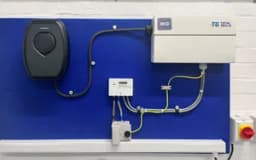
With the UK government banning the sale of new petrol and diesel cars from 2030 and the rapid growth of electric vehicles, EV charger installation is one of the fastest-growing specialisms. Day rates for EV installers are typically £300 to £450, and demand is accelerating year on year. An average domestic EV charger installation takes 3 to 4 hours, meaning you can complete 2 per day at £300 to £500 per install.
Related Course
EV Charging (2921)
Add EV charging installation to your skillset and command premium day rates of £300-£450.
Solar PV and Battery Storage
The renewables sector is booming. Solar PV installations are at record levels, and battery storage systems are increasingly popular. Electricians with solar and battery qualifications can charge £300 to £400+ per day and benefit from strong, consistent demand. With MCS certification, you can also sign off installations for the Smart Export Guarantee, adding further value.

Related Course
Solar PV & Battery Storage
Tap into the growing renewables market with solar PV and battery storage skills.
Testing and Inspection (2391)
With the 2391 qualification, you can carry out EICRs (Electrical Installation Condition Reports) which are legally required for all rental properties and recommended every 5 to 10 years for owner-occupied homes. EICR work commands day rates of £300 to £400 and provides steady, year-round income. Many electricians find that testing and inspection work is more profitable per hour than installation work, with lower material costs and less physical labour.

Related Course
Inspection & Testing (2391)
The 2391 opens up testing and inspection work — one of the most profitable electrical specialisms.
Data Centres and Industrial
The UK data centre market is expanding rapidly, particularly in London, Slough, Manchester, and increasingly in regional cities. Electricians working in data centres earn £50,000 to £65,000+ employed or £350 to £500 per day as contractors. This is one of the highest-paying electrical specialisms but typically requires several years of commercial or industrial experience and additional certifications (e.g., CompEx for hazardous areas, HV switching authorisation).
NVQ Level 3 — The Gold Card Pathway
If you have trained via the adult diploma route, the NVQ Level 3 is the final step to obtaining your ECS Gold Card. The Gold Card is recognised across the industry as proof that you are a fully qualified electrician, and it is the gateway to JIB grading and the higher pay rates that come with it. Without a Gold Card, many employers will not consider you for positions paying at or above JIB rates.

Related Course
5357 Level 3 Electrotechnical
Complete your NVQ Level 3 to obtain your Gold Card and access JIB pay rates.
Factors That Affect Your Earnings
Your earning potential as an electrician depends on a combination of factors. Understanding these can help you make strategic decisions about your career development:
- ✓Employment type — self-employed typically earn 30-60% more but bear more risk and costs
- ✓Experience — the biggest factor for employed electricians, directly tied to JIB grading
- ✓Location — South East and Yorkshire pay highest; Wales and North East pay lowest (but cost of living is much lower)
- ✓Specialism — EV, solar, data centres, and testing command £5,000-£15,000/yr premium
- ✓Overtime and weekend work — enhanced rates can add £5,000 to £15,000 per year
- ✓Qualifications — each additional qualification opens higher-paying opportunities
- ✓Reputation and customer base — established self-employed electricians can charge premium rates
- ✓Company size — larger contractors tend to pay closer to JIB rates with better benefits
- ✓ECS card level — Gold Card holders command significantly higher rates than those without
- ✓Sector — commercial and industrial pay more than domestic, but require more experience
How to Maximise Your Earning Potential
The difference between an electrician earning £35,000 and one earning £70,000+ comes down to strategic decisions about qualifications, employment type, reputation, and diversification. Here are the most effective ways to maximise your income at every career stage.
1. Get Specialist Qualifications
Each specialist qualification you add opens a new revenue stream. The most profitable additions in 2026 are EV charging (£300-£450/day), solar PV (£300-£400/day), and testing and inspection (£300-£400/day). Over 50% of electricians who added at least one specialism in the past two years report earning more than they did before. The investment in training typically pays for itself within 2 to 4 weeks of specialist work.
Related Course
EV Charging (2921)
EV charging is the fastest-growing specialism — add it to your skillset and command £300-£450/day.
Related Course
Solar PV & Battery Storage
Solar PV and battery storage installation is booming — day rates of £300-£400 are standard.
Related Course
Inspection & Testing (2391)
The 2391 unlocks EICR work — one of the most profitable specialisms at £300-£400/day with low material costs.
2. Go Self-Employed
Self-employed electricians consistently earn 30% to 60% more than their employed equivalents. The transition typically works best after 2 to 5 years of employed experience when you have built competence and started collecting referrals. Start by taking on private work alongside employment, then transition when your pipeline supports it. For a complete roadmap, see our self-employed electrician guide.
3. Build a Reputation
In the self-employed market, reputation is directly tied to earning power. Electricians with strong Google reviews and word-of-mouth referrals can charge 20-30% more than those without. Ask every satisfied customer for a review, build a simple website, and register with platforms like Checkatrade and Trustpilot. A strong local reputation means you can charge premium rates and stay fully booked.
4. Diversify Your Services
The most profitable self-employed electricians offer a combination of services rather than specialising too narrowly. A typical high-earning portfolio includes installation, testing, EV charging, and either solar PV or fire alarm work. This allows you to offer complete solutions to customers and keeps your diary full year-round. See our highest paying electrical specialisms guide for more on which combinations pay best.
5. Target High-Value Work
Not all work pays equally. Commercial contracts, landlord EICR portfolios, and EV fleet installations consistently command higher rates than one-off domestic jobs. Building relationships with letting agents, property managers, and commercial clients provides steady, higher-margin work. A single EICR contract with a letting agency managing 50+ properties can generate £10,000+ per year in recurring revenue.
Career Timeline
Years 1-3: Complete your Gold Card pathway. Work for a reputable employer that exposes you to a variety of work types. Target the JIB Electrician grade (£35,841/yr).
Years 3-5: Add specialist qualifications. Target JIB Approved Electrician (£39,156/yr). Build your customer base if planning to go self-employed.
Years 5+: Go self-employed or progress to JIB Technician (£44,265/yr). Join a competent person scheme (NICEIC or NAPIT). Target £300+ day rates. Consider employing apprentices to grow beyond your own labour — business owners with teams can earn £80,000 to £150,000+ per year.
Wondering whether this career path is right for you? Read our is electrician a good career guide for a balanced assessment of the pros and cons.
Related Course
Level 2 Diploma (2365)
Start your electrical career — the Level 2 Diploma is the first step to these earning levels.
The Return on Investment
One of the most common questions from people considering a career as an electrician is whether the training investment is worth it. The short answer is yes — and the numbers make a compelling case.
The total cost of qualifying via the adult diploma route is approximately £8,000 to £12,000, covering the Level 2 and Level 3 Diplomas, 18th Edition, 2391 Testing and Inspection, and the NVQ Level 3. This can be completed in 12 to 18 months while working part-time or full-time in another role.
- ✓Training cost: approximately £8,000 to £12,000
- ✓Year 1 salary (newly qualified): £28,000 to £35,000
- ✓Year 3 salary (experienced): £35,000 to £42,000
- ✓Year 5 salary (self-employed): £45,000 to £65,000
- ✓Five-year cumulative earnings: approximately £180,000 to £230,000
- ✓Return on training investment: 15x to 25x within five years
Compare this to many university degrees costing £30,000 to £50,000 with graduate salaries starting at £25,000 to £28,000, and the value proposition of an electrical qualification becomes clear. The training investment is typically recovered within the first 3 to 6 months of working as a qualified electrician. For a more detailed analysis, see our career change to electrician guide, or browse our full range of City & Guilds electrician courses to find the route that fits you.
Related Course
Level 2 & 3 Package
The Level 2 and 3 Diploma Package is the most cost-effective way to qualify as an electrician.
Frequently Asked Questions
How much does an electrician make in the UK in 2026?
How much does an electrician make in England?
How much does an electrical technician earn in the UK?
How much do apprentice electricians earn in 2026?
How much can a self-employed electrician earn?
Which electrical specialism pays the most?
Do electricians earn more than plumbers?
What are JIB rates for electricians in 2026?
Can electricians earn £50,000 a year?
How much do electricians earn in Nottingham and the East Midlands?
What is the outlook for electrician wages in 2026 and beyond?
How much does a newly qualified electrician earn?
Is it worth retraining as an electrician for the salary?
How long does it take to reach the top electrician salary?
How much do electricians earn per hour?
How much do electricians earn per month in the UK?
How much do electricians earn in London?
Do electricians get overtime?
What's the highest paid electrical specialism?
How much do electrician apprentices earn?
Ready to Start Training?
Browse our City & Guilds accredited courses and take the next step in your electrical career.
Related Guides
How to Become an Electrician in the UK: 4 Routes Compared (2026)
Four routes to becoming a qualified electrician: apprenticeship, fast-track diploma, FE college, or experienced worker assessment. Costs from £0–£11k.
Read guideHow Much Does It Cost to Become an Electrician? (2026)
Training costs ~£8,050 (£7,750 via the L2 & L3 package, saving £300). Overall budget £9,700–£11,200 including the AM2 assessment, ECS card, and tools.
Read guideCareer Change to Electrician at 30, 40 or 50: A Realistic Guide
Honest advice for adults retraining as an electrician — no experience needed. Train part-time around your job, qualify in 18–24 months, earn £35k–45k.
Read guideHow Long Does It Take to Become an Electrician?
Realistic timelines for every route — diploma, apprenticeship, experienced worker, and package courses.
Read guide