
How Much Does It Cost to Become an Electrician? (2026)
Training costs ~£8,050 (£7,750 via the L2 & L3 package, saving £300). Overall budget £9,700–£11,200 including the AM2 assessment, ECS card, and tools.
In this guide
What Does It Actually Cost?
The total cost to become a fully qualified electrician in the UK ranges from £7,000 to £11,000 via the fast-track diploma route, covering all qualifications from Level 2 through to Gold Card. An apprenticeship is free for the learner but takes 3–4 years. FE college tuition is free or loan-funded for under-24s, with additional qualification costs of £3,500–£5,000. Interest-free payment plans are widely available.
The adult diploma route is faster but requires upfront investment. This guide breaks down every cost you will encounter on the journey from complete beginner to fully qualified electrician with a JIB Gold Card.
We will cover training fees for each qualification, exam and assessment costs, tools and equipment, and the ongoing costs of maintaining your qualifications. We will also look at funding options that can significantly reduce the financial burden.
Training Course Fees
The core qualifications on the pathway to becoming a qualified electrician each have their own cost. The prices below are our current Total Skills course fees — other providers may charge more or less, but these give you an accurate benchmark for budgeting:
Level 2 Diploma in Electrical Installations (2365)
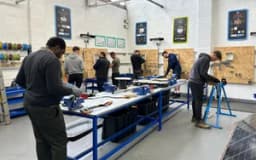
The Level 2 Diploma is your entry-level qualification. At Total Skills, this course is £1,900. This covers all tuition, online learning materials, and exam fees. The IET On-Site Guide (£38) — the only book permitted in the Unit 203 open-book exam — is an optional extra and may be purchased separately. Our hybrid delivery (online theory plus intensive practical workshops at our Nottingham centre) keeps costs competitive compared to traditional classroom-only colleges.
Level 3 Diploma in Electrical Installations (2365)
The Level 3 Diploma covers more advanced installation and design content. Our current price is £2,650. This builds on your Level 2 knowledge with complex circuit design, fault finding, and electrical science.

Level 2 & 3 Package
Enrolling on both Level 2 and Level 3 together as a package is priced at £4,650 and includes the 18th Edition Wiring Regulations course (worth £400) — around £300 less than booking the three courses separately. It is the most popular option for career changers committed to the full pathway.
18th Edition Wiring Regulations (2382)
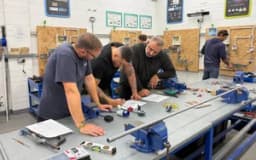
The 18th Edition is a shorter course. Our current price is £400, which includes the exam fee and course materials. The BS 7671 regulation book (which you are allowed to take into the exam) is £120 and may be purchased separately.
Related Course
18th Edition (2382)
Essential for every electrician — view available dates.
Inspection & Testing (2391-52)
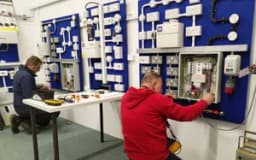
The 2391 qualification is priced at £1,100 at Total Skills. This includes significant practical assessment components. Test equipment is provided during the course at our training centre — you do not need to bring your own.
Related Course
Inspection & Testing (2391)
Required for signing off your own work and self-employment.
5357 Level 3 Electrotechnical Qualification
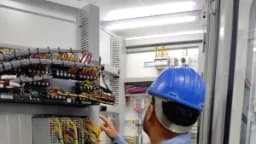
The 5357 is an on-site assessment rather than a taught course. Our price is £2,200 (bookings open 24 October 2026, City & Guilds registration from 1 November 2026), covering assessor visits to your workplace, portfolio review, professional discussions, and administrative costs. The 5357 requires a minimum 24-month on-site competence portfolio, completed after your Level 2 and Level 3 diplomas while working in the industry.
Related Course
5357 Level 3 Electrotechnical
The final qualification before your Gold Card application.
Total Training Costs: Summary
Here is a summary of total training costs for the complete pathway at Total Skills:
- ✓Level 2 Diploma: £1,900
- ✓Level 3 Diploma: £2,650
- ✓18th Edition: £400
- ✓Inspection & Testing (2391): £1,100
- ✓NVQ Level 3 (5357): £2,200
Total training fees: £8,250 (booking each course individually)
Using our Level 2 & 3 package brings this to £7,950 — the £4,650 package already includes the 18th Edition, so you only add the 2391 and NVQ. That is a £300 saving over booking each course individually.
Apprenticeship Route
Assessment and Registration Costs
Beyond training courses, there are several additional costs that are easy to overlook when budgeting:
AM2 Assessment
The AM2 is a practical assessment of your installation and commissioning skills. It is administered by NET (National Electrotechnical Training) and taken at an approved assessment centre. The current cost is £885 + VAT (around £1,060). You take this after completing your NVQ Level 3, as one of the requirements for the Gold Card.
The AM2 involves around two and a half days of practical work. You must wire a complete installation to BS 7671 standards, carry out safe isolation, complete testing, and produce the required certification. It is a challenging assessment, but your diploma and NVQ training will have prepared you well.
ECS Card Application
The ECS Gold Card application costs £36-£56 (depending on JIB membership). The card is valid for 5 years. You will also need a valid first aid certificate (Emergency First Aid at Work, typically £70-£100) and to pass the ECS Health, Safety and Environmental Assessment (£47.50 + VAT).
Exam Resits
If you need a resit, the fee is £60 per written or multiple-choice exam at our centre, or £105 with remote invigilation; that covers the 18th Edition, PAT testing, EV charging and 2365 unit exams. Practical assessment resits are priced separately. The 2391 practical resit is more expensive at £100-£150.
Tools and Equipment Costs
You will need your own tools to work independently as an electrician. At Total Skills, all tools and test equipment are provided during your training courses — so you do not need to invest in these upfront. Here is what to budget when you start working:
Starter Tool Kit (£300-£500)
When you start working independently, you will need basic hand tools. Many of these will last throughout your career:
- ✓VDE insulated screwdrivers (set of 6-8): £30-£60
- ✓Side cutters and pliers (VDE rated): £20-£40
- ✓Cable strippers and crimping tools: £20-£40
- ✓Stanley knife and spare blades: £10
- ✓Spirit level (small): £10-£20
- ✓Tape measure and pencils: £10
- ✓Voltage indicator (two-pole tester, GS38 compliant): £80-£150
- ✓PPE (safety boots, gloves, eye protection): £60-£100
- ✓Tool bag or belt: £20-£40
Multifunction Tester (£500-£1,500)
Your single biggest tool investment will be a multifunction tester. This is essential for the 2391 qualification and all professional testing work. Entry-level instruments from Megger, Metrel, or Kewtech start around £500. Professional-grade units cost £800-£1,500. Many electricians buy this as they approach their 2391 qualification rather than right at the start.
Additional Tools as You Progress (£200-£500)
As you gain experience, you will add to your kit: SDS drill, jigsaw, consumer unit tools, cable rods, fish tape, conduit benders, and more. Budget around £200-£500 over your first year of work for these items.
Buy Quality Tools
Ongoing and Hidden Costs
Beyond initial training, there are ongoing costs to maintaining your qualification and working as an electrician:
Qualification Renewals
- ✓ECS Gold Card renewal every 3 years: £48 including VAT (online application)
- ✓18th Edition update course (when regulations change): £300-£500
- ✓First aid certificate renewal every 3 years: £70-£100
- ✓ECS Health, Safety and Environmental Assessment retake (pass must be within 2 years when applying): £47.50 + VAT
Competent Person Scheme (if self-employed)
If you plan to work self-employed on notifiable work (which most domestic electricians do), you will need to join a competent person scheme such as NICEIC or NAPIT. Annual membership costs range from £300 to £500 per year, plus an initial assessment fee of approximately £200-£400.
Insurance (if self-employed)
- ✓Public liability insurance (£1-5M cover): £200-£400 per year
- ✓Professional indemnity insurance: £100-£200 per year
- ✓Tools and equipment cover: £50-£150 per year
- ✓Van insurance (business use): £800-£2,000 per year
Calibration
Your multifunction tester must be calibrated annually to ensure accuracy. Calibration costs approximately £50 to £80 per year. Working with uncalibrated equipment is a compliance risk and any test results produced with an out-of-calibration instrument could be challenged.
Funding and Payment Options
ELCAS Funding
The Enhanced Learning Credits Administration Service (ELCAS) provides funding for serving and former members of the armed forces. Each claim can cover up to £2,000, and eligible personnel can make up to three claims during their career. This can cover a significant portion of your training costs.
Payment Plans
Most training providers offer interest-free payment plans that allow you to spread the cost over several months. This makes the initial outlay much more manageable. Check what options are available when you enrol.
City & Guilds Bursaries
City & Guilds periodically offers bursary programmes for learners from disadvantaged backgrounds or those facing financial hardship. These are not always available, but it is worth checking the City & Guilds website when you are planning your training.
Employer Sponsorship
If you are already working for an electrical company (even in a non-technical role), your employer may be willing to fund or part-fund your training. This is particularly common for the 18th Edition and 2391 qualifications for existing employees who want to upskill.
Is It Worth the Investment?
Spending around £8,000-£10,000 on training (courses plus tools and assessments) is a significant investment. But consider the return:
- ✓Average qualified electrician salary: £35,000 - £39,000 per year
- ✓Experienced electricians (5+ years): £40,000 - £50,000 per year
- ✓Self-employed day rates: £250 - £400 per day (£55,000 - £88,000 annualised at 220 days)
- ✓Strong job security — the UK Trade Skills Index estimates 104,000 additional electricians are needed by 2032
- ✓Career longevity — electricians can work well into their 60s
- ✓Specialist add-ons (EV, solar) can push earnings above £60,000
Even at the higher end of training costs, most qualified electricians recoup their investment within 12 to 18 months of working. For a full breakdown of what you can earn, see our electrician salary guide. Compared to a university degree (which typically costs £27,000+ in tuition alone and takes 3 years), the financial case for trade training is compelling.
Return on Investment
Build Your Own Cost Estimate
Use our interactive calculator to select the qualifications you need and get an estimated total cost for your training pathway.
Cost Calculator
Select the qualifications you need. Prices shown are Total Skills current course fees. Payment plans and flexible options available.
Core Qualifications
Specialisms (Optional)
Assessments & Optional Extras
Based on Total Skills current pricing. Tools and test equipment are provided during training — only purchase your own when you start working independently. Interest-free payment plans available on all courses.
Frequently Asked Questions
How much does it cost in total to become a fully qualified electrician?
Is an apprenticeship free?
Can I get funding for electrician training?
What tools do I need to buy and how much do they cost?
Is the AM2 assessment included in course fees?
Are there any hidden costs?
Ready to Start Training?
Browse our City & Guilds accredited courses and take the next step in your electrical career.
Related Guides
How to Become an Electrician in the UK: 4 Routes Compared (2026)
Four routes to becoming a qualified electrician: apprenticeship, fast-track diploma, FE college, or experienced worker assessment. Costs from £0–£11k.
Read guideHow Much Does an Electrician Make? UK Salary Guide 2026
UK electricians make £39,039 on average (ONS 2025) — £18.38–£22.70/hr on JIB 2026 rates, £45k–£70k self-employed. Hourly, monthly, annual and London pay.
Read guideCareer Change to Electrician at 30, 40 or 50: A Realistic Guide
Honest advice for adults retraining as an electrician — no experience needed. Train part-time around your job, qualify in 18–24 months, earn £35k–45k.
Read guideHow Long Does It Take to Become an Electrician?
Realistic timelines for every route — diploma, apprenticeship, experienced worker, and package courses.
Read guide