
Domestic vs Commercial Electrician: Differences & Pay
The key differences between domestic and commercial electrical work — qualifications, day-to-day work, and earning potential.
In this guide
Domestic vs Commercial: Two Different Worlds
When people think of an electrician, they often picture someone rewiring a house or fitting a new socket. But the electrical trade covers an enormous range of work, from single domestic light fittings to multi-million pound commercial installations. The two broadest categories are domestic and commercial electrical work, and they differ significantly in terms of day-to-day experience, qualifications, earning potential, and career progression.
Understanding these differences early in your career helps you make informed decisions about which direction to take. Many electricians work in both sectors at different points, and having experience across both makes you more versatile and employable.
Key point
The core qualifications — Level 2 and 3 diplomas, 18th Edition, and 2391 — prepare you for both domestic and commercial work. Specialisation happens through the type of experience you gain after qualifying, not through different qualifications.
Domestic Electrical Work
Domestic work covers all electrical installations in residential properties — houses, flats, bungalows, and HMOs. This includes new installations, alterations, additions, rewires, consumer unit upgrades, and periodic inspection and testing.
What the Work Involves
- ✓Rewiring houses and flats (first fix and second fix)
- ✓Consumer unit replacements and upgrades
- ✓Adding sockets, lighting circuits, and outdoor supplies
- ✓Kitchen and bathroom electrical work
- ✓EV charger installations
- ✓Electrical Installation Condition Reports (EICRs)
- ✓Fire alarm and smoke detector installation
- ✓Fault finding and repair
Working Environment
Domestic electricians typically work alone or in pairs. The work takes you into people's homes, which means you need good communication skills and the ability to work tidily and respectfully in occupied properties. No two days are the same — you might be chasing walls in a Victorian terraced house in the morning and fitting a modern consumer unit in a new-build in the afternoon.
Part P of the Building Regulations applies to domestic electrical work in England and Wales. This means notifiable work (such as new circuits, consumer unit replacements, and bathroom installations) must be either certified through a competent person scheme or notified to building control.
Typical Earnings
For a full breakdown, see our electrician salary guide and day rate guide.
- ✓Employed: 28,000 to 38,000 pounds per year
- ✓Self-employed day rate: 200 to 350 pounds per day
- ✓Self-employed annual earnings: 35,000 to 55,000 pounds
- ✓Top earners with strong reputation: 50,000 to 70,000 pounds

Related Course
Level 2 Diploma (2365)
The Level 2 Diploma covers the fundamentals needed for domestic electrical work.
Commercial Electrical Work
Commercial electrical work covers non-residential properties — offices, shops, restaurants, hotels, schools, hospitals, warehouses, and construction sites. The scale is typically larger, the systems more complex, and the work is almost always done as part of a team.
What the Work Involves
- ✓Three-phase power distribution systems
- ✓Large-scale lighting installations (including emergency lighting)
- ✓Data cabling and structured wiring
- ✓Fire alarm systems and emergency voice communication
- ✓Containment systems (cable tray, basket, ladder, trunking)
- ✓Building management system interfaces
- ✓High-level work using scaffolding, cherry pickers, and access platforms
- ✓New-build construction and fit-out projects
Working Environment
Commercial electricians work as part of larger teams, often on construction sites with multiple trades working simultaneously. The work is more structured and project-managed, with daily briefings, method statements, and risk assessments. You will typically work under a supervisor or foreman and follow detailed electrical drawings and specifications.
Most commercial sites require an ECS card for access. Without one, you will be turned away at the gate. Many sites also require additional safety inductions, CSCS qualifications, and specific PPE including hard hats, steel-toe boots, and hi-vis clothing at all times.
Typical Earnings
- ✓Employed (JIB rates): 35,000 to 42,000 pounds per year
- ✓Employed with overtime and allowances: 40,000 to 50,000 pounds
- ✓Self-employed day rate: 250 to 400 pounds per day
- ✓Specialist commercial (data centres, hospitals): 350 to 500 pounds per day
For the highest-earning commercial sector, see our data centre electrician guide.

Related Course
Level 3 Diploma (2365)
The Level 3 Diploma covers three-phase systems and fault diagnosis essential for commercial work.
Industrial Electrical Work
Industrial electrical work is a step beyond commercial and involves factories, manufacturing plants, power stations, water treatment facilities, and other heavy infrastructure. This is the most specialised sector and commands the highest rates.
Key Differences from Commercial
- ✓High-voltage systems (above 1,000V) requiring additional qualifications
- ✓Motor control centres and programmable logic controllers (PLCs)
- ✓Maintenance contracts with shift patterns (including nights and weekends)
- ✓Hazardous area installations (ATEX zones in refineries and chemical plants)
- ✓Heavier cable and containment work
- ✓More emphasis on fault-finding and preventive maintenance
Industrial electricians often earn premium rates due to the specialist nature of the work and the shift patterns involved. Day rates of 350 to 500 pounds or more are common, with some high-voltage or offshore roles commanding even higher rates. See our guide to the highest-paying electrical specialisms for more detail.
Getting into industrial work
Most industrial electricians start in commercial work and gain additional experience and qualifications over time. The NVQ Level 3 and Gold Card are essential, and many industrial roles require additional certifications such as CompEx (for hazardous areas) or high-voltage switching authorisations.
Side-by-Side Comparison
The following comparison highlights the key differences between domestic and commercial electrical work to help you decide which path suits your personality, lifestyle, and career goals.
Working Style
- ✓Domestic: work alone or in pairs, direct customer contact, varied locations daily
- ✓Commercial: team-based, project-managed, same site for weeks or months
Flexibility
- ✓Domestic: high flexibility if self-employed, choose your own hours and jobs
- ✓Commercial: more structured hours, typically 7:30 to 16:30, less flexibility
Career Progression
- ✓Domestic: sole trader, small business owner, specialism in EV or solar
- ✓Commercial: supervisor, foreman, project manager, contracts manager, director
Qualifications Required
- ✓Domestic: core diplomas + 18th Edition + 2391 + competent person scheme
- ✓Commercial: core diplomas + 18th Edition + 2391 + NVQ + ECS Gold Card
Which Path Suits You?
The best choice depends on your personality, lifestyle preferences, and long-term career goals. There is no wrong answer — both paths offer excellent earning potential and job security.
Domestic Might Suit You If:
- ✓You prefer working independently and making your own decisions
- ✓You enjoy variety and seeing different properties every day
- ✓You want the flexibility of self-employment
- ✓You are a strong communicator who enjoys working with homeowners
- ✓You want to build your own business over time
Commercial Might Suit You If:
- ✓You enjoy working as part of a team
- ✓You prefer the stability of employed work with regular hours
- ✓You are interested in larger, more complex electrical systems
- ✓You want a clear management career progression path
- ✓You prefer not to deal directly with customers or marketing
Many electricians combine both types of work at different stages of their career. Starting with employed commercial work to build skills and experience, then transitioning to self-employed domestic work for better earnings and flexibility is a very common and effective career path.
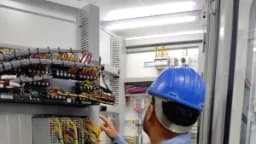
Related Course
5357 Level 3 Electrotechnical
The NVQ Level 3 gives you the Gold Card needed for commercial site access and opens up both career paths.
Frequently Asked Questions
Do I need different qualifications for domestic and commercial work?
Which pays more — domestic or commercial electrical work?
Can I switch between domestic and commercial work?
Is domestic or commercial work better for a career changer?
What is industrial electrical work?
Ready to Start Training?
Browse our City & Guilds accredited courses and take the next step in your electrical career.
Related Guides
How to Go Self-Employed as an Electrician UK (2026 Step-by-Step)
Step-by-step guide to going self-employed as an electrician — HMRC registration, insurance, Part P scheme, pricing, VAT (£90,000), and finding customers.
Read guideElectrician Day Rates UK 2026: JIB Rates & Hourly Rates
UK electricians charge £250–£500 a day in 2026. JIB rates: £18.38/hr Electrician, £20.08/hr Approved Electrician. Day, hourly and fixed prices compared.
Read guideEssential Electrician Tools: Complete Kit List
Every tool an electrician needs — from basic hand tools to specialist test equipment, with buying guidance.
Read guideElectrician Starter Kit: What to Buy and What to Wait On
What learners need to buy before starting a Level 2 electrical course, what to add in your first year on the job, and what to leave until later.
Read guide