
Solar Panels Cost UK: System & Battery Prices (2026)
A 4kW solar system for a 3-bed home typically costs £5,500–£8,000 installed; add £3,000–£5,000 for battery storage. 0% VAT, 10–12 year payback, MCS checks.
In this guide
Solar Panels: What Do They Cost in the UK?
A typical 4kW solar panel system for a 3-bed home costs £5,500–£8,000 installed. Adding a 4–5kWh battery brings a combined system to £9,000–£11,500, with larger systems reaching £14,000 or more. This guide breaks down system and battery prices, the 0% VAT position, realistic payback, and exactly what to check before hiring an installer.
Prices have a wide range because every roof is different — system size, scaffolding, roof type, and panel quality all move the number. The figures here are typical fully installed prices for a straightforward domestic job.
System and Battery Prices
Solar Panel System (4kW, 3-Bed Home)
- ✓Typical fully installed price: £5,500–£8,000
- ✓Includes panels, inverter, mounting, scaffolding, installation, and commissioning
- ✓Larger or smaller systems scale roughly with size, but fixed costs (scaffolding, labour) mean small systems cost more per kW
Battery Storage
- ✓4–5kWh home battery: typically £3,000–£5,000 installed
- ✓Combined 4kW system + ~5kWh battery: typically £9,000–£11,500
- ✓Larger combined systems: up to £14,000+
0% VAT on Solar and Batteries
Solar panel and battery storage installations currently carry 0% VAT in the UK under the energy-saving materials relief. The zero rate applies to the supply and installation together — a meaningful saving versus the standard 20% rate.
Payback and the Smart Export Guarantee
A typical domestic solar system pays for itself in around 10–12 years, through a combination of lower electricity bills and Smart Export Guarantee (SEG) payments for the electricity you export to the grid.
- ✓SEG payments require an MCS-certified installation — a non-MCS install typically cannot register for export payments
- ✓The more daytime generation you use yourself, the faster the payback — exported electricity earns less than imported electricity costs
- ✓A battery improves self-consumption by storing daytime generation for evening use
- ✓Panels typically outlast the payback period comfortably; the inverter is the component most likely to need replacing along the way
For how batteries work and what they change about the economics, see our battery storage guide.
What Affects the Price?
- ✓System size — more panels cost more, but the per-kW price falls as fixed costs are spread
- ✓Scaffolding — a standard requirement for roof work; awkward access pushes it up
- ✓Roof type and access — slate, steep pitches, dormers, and multi-aspect roofs take longer
- ✓Panel quality — premium panels cost more upfront for higher output and longer warranties
- ✓Battery sizing — bigger batteries cost more; oversizing beyond your evening usage wastes money
- ✓Inverter replacement — budget for a replacement around 10–12 years in; it is the main mid-life cost
What to Check Before Hiring an Installer
Solar is a significant purchase, and the installer matters as much as the hardware. Before signing anything, check:
- ✓MCS certification — verifiable on the MCS register, and required for Smart Export Guarantee payments
- ✓NICEIC or NAPIT registration for the electrical work
- ✓Manufacturer accreditations for the panels and battery they are quoting
- ✓Public liability insurance of £2 million or more
- ✓A written quote itemising panels, inverter, battery, scaffolding, and installation
Our MCS certification guide explains what MCS actually covers and includes a fuller consumer checklist for vetting installers.
The Installer Side: A Growing Trade
Every one of these installations needs a qualified electrician — and demand for solar and battery installers continues to grow as households invest in energy independence. If you are an electrician considering the move into renewables, see our guides on how to become a solar panel installer and which solar PV course you need.
Related Course
Solar PV & Battery Storage
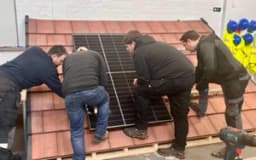
Qualified electrician thinking of adding solar to your services? Our C&G 2922/2923 Solar PV & Battery Storage course (£1,000) is designed for practising electricians — small class sizes, hands-on installation training.
Frequently Asked Questions
How much do solar panels cost for a 3-bed house?
How much does battery storage add?
Do solar panels still make financial sense in the UK?
Is there VAT on solar panels?
Ready to Start Training?
Browse our City & Guilds accredited courses and take the next step in your electrical career.
Related Guides
How to Become a Solar Panel Installer: Salary & Training
How to become a solar panel installer in the UK — qualifications, training pathway, and earning potential: £35,000–£50,000/yr employed or £300–£500/day.
Read guideSolar Panel Installation Courses UK: Which Do You Need?
Solar panel installation courses for UK electricians compared — what each covers, prerequisites, and which qualification suits your experience level.
Read guideMCS Certification Explained: Installers & What to Look For
How MCS certification works for solar PV and battery installers — costs from around £1,500, requirements, and which accreditations customers should check.
Read guideBattery Storage Systems: A Guide for Electricians
How battery storage works, the growing market, qualifications needed, and opportunities for electricians.
Read guide