
What to Wear as an Electrician: Workwear, Boots & PPE
Trousers, boots and protective gear for electricians, with guidance on what to buy first and what to leave until the tool bag grows.
In this guide
What to Wear as an Electrician
Electrical work is physical: kneeling on floors, climbing ladders, crawling through lofts and standing for long stretches. What you wear affects how comfortable, safe and efficient you are on site, and most working electricians settle on a fairly consistent kit once they have tried a few options.
This guide covers trousers, boots and basic protective gear. For the tools that go alongside them, see our electrician tools guide.
Work Trousers
A good pair of work trousers is one of the first practical purchases most electricians make, and the features that matter are fairly consistent across brands.
- ✓Holster pockets that keep pliers, a torch and a screwdriver within easy reach
- ✓Reinforced kneepad pockets, so you can add pads for second fix work
- ✓Durable fabric that copes with crawling through lofts and under floors
- ✓A comfortable fit that does not restrict movement on a ladder
Trade-standard trousers cost more than plain workwear, but many electricians find the extra pockets and durability pay for themselves within a few months. A budget pair that still takes kneepads is a sensible starting point if you would rather try the fit first.
Safety Boots: Composite or Steel
Safety footwear is essential on any site, and the main choice is between a steel toe cap and a composite toe cap. Composite toe caps are lighter than steel and non-metallic, which is why many electricians prefer them. Whether one suits you better than the other comes down to comfort and personal preference, so try a pair on before committing.
This is a matter of preference rather than a fixed rule. Some electricians still favour steel toe caps for their durability underfoot on rougher sites. Either way, boots should fit well and be comfortable enough to wear for a full day.
Knee Pads, Gloves & Eye Protection
Knee Pads
Second fix, socket and switch installation especially, means a lot of time kneeling on bare floors. Knee pads that clip into reinforced trouser pockets are inexpensive and make a noticeable difference over a working day.
Cut-Resistant Gloves
A pair of cut-resistant gloves is useful for pulling cable and handling containment, where sharp edges are common. They are for handling tasks, not for live work.
Safety Glasses
Drilling overhead, into a ceiling void for example, sends debris straight down towards your face. A basic pair of safety glasses is cheap insurance against grit and dust.
Comfort matters more than looking the part
Cheap boots or trousers that pinch or chafe get left in the van after a week. It is worth trying items on, or buying from a supplier with an easy returns policy, rather than guessing sizes.
What You Actually Need on Day One
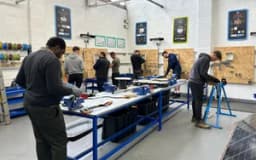
If you are starting a course rather than a job, you do not need a full kit on day one. During structured training courses, the centre provides all tools and test equipment for every practical day, so you are not expected to arrive with a van's worth of gear. What you bring yourself is your own PPE: safety boots, eye protection and gloves, along with sturdy clothes you do not mind getting dusty. You will not need knee pads for the workshop; they earn their place later, once you are doing site work.
Once you start working, your own kit tends to build up gradually: a pair of work trousers first, then boots, then the smaller protective items as the jobs demand them. For the tools themselves, our electrician tools guide covers what to buy and in what order.
Workwear That Lasts
A sensible starting point is one pair of work trousers, one pair of safety boots, and the small protective items: knee pads, gloves and glasses.
Related Course
Level 2 Diploma (2365)
During your diploma training, all tools and equipment are provided. Your own workwear and PPE build up once you start working.
Frequently Asked Questions
Do I need special trousers for electrical work?
Are composite toe caps as safe as steel?
What PPE should I buy before starting a course or a first job?
Do electricians need cut-resistant gloves?
Why do electricians wear knee pads?
Ready to Start Training?
Browse our City & Guilds accredited courses and take the next step in your electrical career.
Related Guides
How to Go Self-Employed as an Electrician UK (2026 Step-by-Step)
Step-by-step guide to going self-employed as an electrician — HMRC registration, insurance, Part P scheme, pricing, VAT (£90,000), and finding customers.
Read guideElectrician Day Rates UK 2026: JIB Rates & Hourly Rates
UK electricians charge £250–£500 a day in 2026. JIB rates: £18.38/hr Electrician, £20.08/hr Approved Electrician. Day, hourly and fixed prices compared.
Read guideEssential Electrician Tools: Complete Kit List
Every tool an electrician needs — from basic hand tools to specialist test equipment, with buying guidance.
Read guideElectrician Starter Kit: What to Buy and What to Wait On
What learners need to buy before starting a Level 2 electrical course, what to add in your first year on the job, and what to leave until later.
Read guide