
Ladders & Access Equipment for Electricians
Why electricians choose fibreglass over aluminium, and how step ladders, platform steps and telescopic ladders compare for site work.
In this guide
Ladders & Access Equipment for Electricians
Working at height is a routine part of electrical work: light fittings, smoke alarms, loft hatches and overhead containment all need reaching. The ladder you choose affects both safety and how comfortable that work is over a full day.
This guide covers why fibreglass ladders are the trade standard, the main ladder types worth carrying, and some general good practice for using them safely. For the rest of a working kit, see our electrician tools guide.
Why Fibreglass, Not Aluminium
Fibreglass, or GRP, ladders are favoured by electricians because they are non-conductive, unlike aluminium. That single property is the main reason the trade has largely standardised on fibreglass over aluminium for anything near electrical work, since it removes conductivity as a consideration entirely.
Fibreglass ladders are heavier and cost more than an equivalent aluminium ladder, which is the trade-off for that non-conductive stile. For most electricians, the extra weight is worth carrying.
Ladder Types Worth Carrying
Step Ladders
A fibreglass step ladder is the everyday choice for domestic and light commercial work, covering most jobs at ceiling height without needing anything larger.
Platform Steps
A platform step ladder adds a standing platform and a guard rail, which makes longer jobs at height far less tiring than balancing on a rung. These suit anything that takes more than a few minutes at the top.
Telescopic Ladders
A telescopic ladder collapses down small enough to live permanently in the van, which makes it a practical choice for occasional access jobs where a full-size ladder would not fit or would rarely be used.
- ✓Step ladder: everyday domestic and light commercial height work
- ✓Platform step: longer jobs at height, standing platform and guard rail
- ✓Telescopic ladder: occasional access, packs small for the van
Using a Ladder Safely
Good ladder practice is straightforward and applies regardless of trade: inspect the ladder before use for damage or wear, choose the right ladder and height for the job rather than overreaching from one that is too short, and keep three points of contact where possible while climbing.
Inspect before every use
A quick check for cracked stiles, worn feet or a loose locking mechanism takes seconds and catches most problems before they become a fall.
Access Kit for Electrical Work
For most electricians the first purchase is a fibreglass step ladder for everyday use, with a platform step or telescopic ladder added once the type of work you take on makes one worthwhile.
Related Course
Level 2 Diploma (2365)
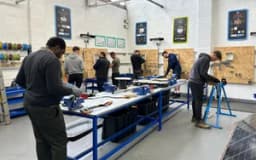
Working safely at height is covered during your diploma training. The centre provides tools and equipment throughout the course.
Frequently Asked Questions
Why do electricians use fibreglass ladders instead of aluminium?
Is a fibreglass ladder always necessary?
What ladder should I buy first?
What is a platform step ladder useful for?
Are telescopic ladders worth having as well?
Ready to Start Training?
Browse our City & Guilds accredited courses and take the next step in your electrical career.
Related Guides
How to Go Self-Employed as an Electrician UK (2026 Step-by-Step)
Step-by-step guide to going self-employed as an electrician — HMRC registration, insurance, Part P scheme, pricing, VAT (£90,000), and finding customers.
Read guideElectrician Day Rates UK 2026: JIB Rates & Hourly Rates
UK electricians charge £250–£500 a day in 2026. JIB rates: £18.38/hr Electrician, £20.08/hr Approved Electrician. Day, hourly and fixed prices compared.
Read guideEssential Electrician Tools: Complete Kit List
Every tool an electrician needs — from basic hand tools to specialist test equipment, with buying guidance.
Read guideElectrician Starter Kit: What to Buy and What to Wait On
What learners need to buy before starting a Level 2 electrical course, what to add in your first year on the job, and what to leave until later.
Read guide