
Power Tools for Electricians: What You Actually Need
The combi drill, impact driver and SDS most electricians reach for, plus advice on choosing a battery platform before you buy.
In this guide
Power Tools for Electricians
A small set of power tools covers most of what an electrician needs day to day. The bigger decision, before choosing individual tools, is which battery platform to buy into: cordless tools lock you into a battery platform, so electricians usually standardise on one system before buying more tools.
This guide covers the core tools worth owning and what each one is actually for. For hand tools and test equipment, see our electrician tools guide.
The Core Three: Combi, Impact, SDS
Combi Drill
The everyday drill and driver, used for everything from pilot holes to driving screws. For most electricians this is the first cordless tool bought, and it is worth picking your battery platform carefully here, since it is usually the first tool on it.
Impact Driver
Built specifically for driving fixings, an impact driver copes with long screws into joists all day without the wrist strain a standard drill causes when used for the same job.
SDS Plus Drill
For masonry work, chasing, box sinking and drilling through brick, an SDS drill does the job far faster and with far less effort than a standard combi drill would manage.
- ✓Combi drill: everyday drilling and driving, usually the first tool bought
- ✓Impact driver: fixings and long screws without wrist strain
- ✓SDS drill: masonry, chasing and box sinking
Cutting and Holes
Beyond the core three, a handful of accessories and a smaller cutting tool handle the jobs that come up regularly around cable runs and fittings.
- ✓Hole saws: clean holes for downlights and cable glands
- ✓Flat wood drill bits: fast holes through joists for cable runs
- ✓A cordless multi-tool: notching joists, trimming trunking and cutting in awkward spots
Buy accessories to match your platform
Hole saws and drill bits are generally cross-compatible between brands as long as the arbor or fitting matches your drill. Multi-tool blades often are not: check your tool's blade fitting before buying a set.
Starting Out: What Apprentices Need
Apprentices and learners need less than they think when they are starting out. During structured training courses the centre provides tools and equipment, which means you can learn the trade before making any decisions about which cordless platform to invest in.
Once you are working and buying your own kit, the combi drill and impact driver are usually the first purchases, with an SDS drill and the smaller accessories added as the work demands them. For the hand tools and test equipment that come first, see our electrician tools guide.
Power Tools That Earn Their Keep
A sensible starting kit covers a combi drill, an impact driver, and the hole saws and bits needed for cable runs, with an SDS drill added once masonry work is a regular part of the job.
Related Course
Level 2 Diploma (2365)
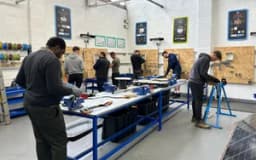
During your diploma training, all tools and equipment are provided. You build up your own power tools once you start working.
Frequently Asked Questions
What power tools does an electrician actually need?
Why does the battery platform matter before I start buying tools?
What is the difference between a combi drill and an impact driver?
Do I need an SDS drill as well?
What tools do I need to start a course?
Ready to Start Training?
Browse our City & Guilds accredited courses and take the next step in your electrical career.
Related Guides
How to Go Self-Employed as an Electrician UK (2026 Step-by-Step)
Step-by-step guide to going self-employed as an electrician — HMRC registration, insurance, Part P scheme, pricing, VAT (£90,000), and finding customers.
Read guideElectrician Day Rates UK 2026: JIB Rates & Hourly Rates
UK electricians charge £250–£500 a day in 2026. JIB rates: £18.38/hr Electrician, £20.08/hr Approved Electrician. Day, hourly and fixed prices compared.
Read guideEssential Electrician Tools: Complete Kit List
Every tool an electrician needs — from basic hand tools to specialist test equipment, with buying guidance.
Read guideElectrician Starter Kit: What to Buy and What to Wait On
What learners need to buy before starting a Level 2 electrical course, what to add in your first year on the job, and what to leave until later.
Read guide