
Tool Bags for Electricians: Totes, Backpacks & Belts
Comparing tool totes, backpacks, hard cases and belts for electricians, with buying guidance for a bag that lasts.
In this guide
Choosing a Tool Bag as an Electrician
A tool bag is one of the most-used pieces of kit an electrician owns, yet it is often an afterthought bought in a hurry once the tools themselves have already been chosen. The right bag keeps everything organised, protects test equipment from knocks, and saves time on every job — the wrong one falls apart within a year or leaves you digging through loose tools at the bottom of a bag.
This guide covers the main types of tool storage, what separates a good bag from a disappointing one, and how the premium and budget ends of the market compare. For the tools that go inside it, see our electrician tools guide.
Types of Tool Storage
There is no single right answer here: the best setup usually depends on how and where you work, and most electricians settle on more than one type over time.
Open Tote
An open tote with a rigid base and internal pockets is the classic electrician's bag. Everything is visible and reachable at a glance, which suits working from a van or a fixed position such as a consumer unit. The trade-off is that tools are more exposed to dust, knocks, and rain than in a closed bag.
Backpack
A tool backpack keeps both hands completely free, which matters on ladders, in loft hatches, and on stairs and scaffolding. Most have structured internal pockets similar to a tote, just arranged vertically. The trade-off is slower access, since you generally need to take it off and open it rather than reaching straight in.
Hard Case
A hard case gives the best protection for anything fragile: test instruments, meters, and calibrated equipment in particular. It is the least flexible option day to day, so most electricians use a hard case alongside a tote or backpack rather than instead of one.
Tool Belt
A tool belt is not really an alternative to a bag, but an addition for second-fix work. Keeping your most-used items, such as screwdrivers, a knife, and connectors, on your belt saves constant trips back to the main bag while you move from socket to socket.
What Makes a Good Tool Bag
A handful of features separate a bag that lasts years from one that is disappointing within months.
- ✓A rigid or reinforced base so the bag stands upright on its own, even half-empty
- ✓Padded or separated compartments for test leads and instruments, kept away from sharp tools
- ✓A dedicated document pocket for certificates, paperwork, or a notebook
- ✓Heavy-duty zips and stitching — these are the first things to fail on a cheap bag
- ✓A comfortable carry handle or strap, since a full bag is genuinely heavy
Separate your test equipment
Test leads tangle and instrument screens scratch when they share space with hand tools. Keeping test equipment in its own padded compartment, or a separate case entirely, is one of the simplest ways to make it last.
Tool Bags Worth a Look
Related Course
Level 2 Diploma (2365)
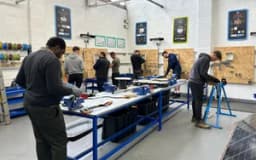
Tools and storage come later. During your diploma training, everything you need is provided by the centre.
Frequently Asked Questions
What is the best tool bag for an electrician?
Is a tool backpack better than a tote bag?
How do I stop test leads and instruments getting damaged in a tool bag?
Do I need a tool belt as well as a tool bag?
What makes a tool bag good value over cheaper alternatives?
Ready to Start Training?
Browse our City & Guilds accredited courses and take the next step in your electrical career.
Related Guides
How to Go Self-Employed as an Electrician UK (2026 Step-by-Step)
Step-by-step guide to going self-employed as an electrician — HMRC registration, insurance, Part P scheme, pricing, VAT (£90,000), and finding customers.
Read guideElectrician Day Rates UK 2026: JIB Rates & Hourly Rates
UK electricians charge £250–£500 a day in 2026. JIB rates: £18.38/hr Electrician, £20.08/hr Approved Electrician. Day, hourly and fixed prices compared.
Read guideEssential Electrician Tools: Complete Kit List
Every tool an electrician needs — from basic hand tools to specialist test equipment, with buying guidance.
Read guideElectrician Starter Kit: What to Buy and What to Wait On
What learners need to buy before starting a Level 2 electrical course, what to add in your first year on the job, and what to leave until later.
Read guide