
Starting an EV Charging Installation Business
The business case for EV charger installation — market size, earning potential, and how to get started.
In this guide
The UK EV Charging Market
The electric vehicle market in the UK is experiencing explosive growth. There are now over one million fully electric vehicles on UK roads, with sales growing at more than 30% year on year. The government has confirmed that the sale of new pure petrol and diesel cars will be banned from 2030 (with some hybrids permitted until 2035), making the transition to electric vehicles irreversible.
Every electric vehicle needs a way to charge. Approximately 80% of EV charging happens at home, creating massive demand for domestic chargepoint installations. On top of this, workplaces, retail locations, car parks, and public spaces all need charging infrastructure. The UK government estimates that 300,000 public chargepoints will be needed by 2030, several times the size of the current public network — and that does not include the millions of domestic installations required.
For electricians, this represents a once-in-a-generation business opportunity. The demand for qualified EV charger installers far outstrips supply, and that gap is widening as EV adoption accelerates.
Revenue Model: How Much Can You Earn?
EV charger installation is well-paid work with strong margins. The combination of high demand, a limited pool of qualified installers, and the essential nature of the work means that pricing is healthy across the market.
Domestic installation revenue
- ✓Average charge to customer: 800 to 1,500 pounds per installation (supply and fit)
- ✓Material costs: 300 to 600 pounds (charger unit, cable, accessories)
- ✓Installation time: 3 to 5 hours for a straightforward installation
- ✓At 2 installations per day, gross revenue is 1,600 to 3,000 pounds per day
- ✓After materials, net revenue is typically 1,000 to 2,000 pounds per day
Commercial installation revenue
- ✓Workplace installations: 1,500 to 5,000 pounds per charger (depending on complexity)
- ✓Fleet depot installations: 5,000 to 50,000 pounds per project
- ✓Public rapid charging infrastructure: 10,000 to 100,000 pounds per site
- ✓Multi-unit residential developments: ongoing contract work at scale
The power of recurring revenue
Commercial Opportunities
While domestic installations are the bread and butter of EV charging work, commercial opportunities offer higher revenue per project and the potential for larger, more complex contracts.
Workplace charging
The Workplace Charging Scheme (WCS) provides grants of up to 350 pounds per socket for up to 40 sockets per applicant. Businesses are increasingly installing chargers to attract employees who drive EVs, reduce their carbon footprint, and prepare for fleet electrification. A typical workplace installation might involve 4 to 20 chargers, representing significant project value.
Fleet electrification
Companies with vehicle fleets — delivery services, utilities, council vehicles, and trades — are transitioning to electric. Fleet depot installations require multiple chargers, load management systems, and often three-phase supply upgrades. These are high-value projects that require the 2921-32/33 qualification for larger installations.
Residential developments
Since June 2022, Approved Document S requires all new residential buildings with associated parking to have EV chargepoints. This means every new housing development needs charger installations, creating a steady stream of work from housebuilders and developers. Our EV charger installation regulations guide covers the full regulatory framework.
Landlord and tenant installations
Government grants remain available for landlords and tenants (up to 75% of costs, capped at 350 pounds per socket). Landlords managing multiple rental properties represent repeat business opportunities — one landlord might commission installations across 10, 20, or more properties.
Recurring Revenue: Maintenance and Inspection
Every charger you install becomes a potential source of recurring revenue. Chargepoints require periodic inspection, maintenance, and occasionally repair. Building a maintenance contract portfolio alongside your installation work creates a predictable income stream that grows over time.
Maintenance revenue streams
- ✓Annual inspection and testing of installed chargepoints
- ✓Warranty repair work for manufacturer-approved installers
- ✓Software updates and connectivity troubleshooting
- ✓EICR inspections that include EV charging circuits
- ✓Emergency callout for faulty chargers
- ✓Upgrades and replacements as technology improves
A typical annual maintenance contract for a domestic charger is 80 to 150 pounds. For commercial installations with multiple chargers, contracts can be 500 to 2,000 pounds per year. As your installed base grows, this recurring revenue becomes a significant and stable part of your income.
Manufacturer Approved Installer Programmes
Most EV charger manufacturers run approved installer programmes that offer significant benefits to qualified electricians. Joining these programmes can provide a steady pipeline of referred work, preferential equipment pricing, and enhanced credibility with customers.
Major manufacturer programmes
- ✓Zappi (myenergi) — popular domestic charger with strong brand recognition and installer referral network
- ✓Wallbox — growing rapidly in both domestic and commercial markets with a comprehensive installer programme
- ✓Easee — Scandinavian manufacturer with a reputation for quality and a dedicated UK installer network
- ✓Pod Point — one of the UK's largest chargepoint operators with an established installer programme
- ✓Tesla — Wall Connector installations with referrals from Tesla vehicle customers
Benefits of manufacturer approval
- ✓Customer referrals from the manufacturer's website and customer service
- ✓Trade pricing on equipment (typically 10 to 30% below retail)
- ✓Access to manufacturer training and technical support
- ✓Warranty work and after-sales service contracts
- ✓Marketing materials and co-branding opportunities
- ✓Early access to new products and features
Multiple approvals
Start-up Costs and Investment
One of the most attractive aspects of EV charger installation as a business is the relatively low barrier to entry for qualified electricians. If you already have your core qualifications, tools, and a van, the additional investment to start offering EV installations is modest — especially compared to other high-paying electrical specialisms.
Essential costs
- ✓C&G 2921-34 EV Charging course: 500 to 1,000 pounds
- ✓Competent person scheme registration (if not already a member): 500 to 2,000 pounds per year
- ✓Additional test equipment (earth electrode tester if not already owned): 200 to 500 pounds
- ✓Public liability insurance increase (if any): varies by provider
- ✓Initial stock of common materials (cable, earth rods, consumer unit ways): 200 to 500 pounds
Optional investments
- ✓Manufacturer training courses (often free or subsidised for approved installers)
- ✓Vehicle branding and marketing: 500 to 2,000 pounds
- ✓Website and online advertising: 500 to 1,500 pounds
- ✓Stock of popular charger units for supply-and-fit model: 1,000 to 3,000 pounds
Total start-up costs for a qualified electrician are typically 2,000 to 5,000 pounds. Given that a single domestic installation generates 800 to 1,500 pounds in revenue, the investment can pay for itself within the first few jobs.
Marketing Your EV Charging Business
With the right marketing, building a pipeline of EV charger installation work is straightforward. The demand exists — you just need to make yourself visible to the customers who need you.
Effective marketing channels
- ✓Google Business Profile: essential for local search visibility — "EV charger installer near me"
- ✓Manufacturer installer directories: free referrals from brand websites
- ✓Word of mouth and referrals: EV owners talk to other EV owners
- ✓Social media: before-and-after photos of installations perform well on local Facebook groups
- ✓Partnerships with car dealerships: EV dealers often get asked about home charging
- ✓Local advertising in areas with high EV adoption (typically affluent suburbs)
Online reviews are particularly powerful in this market. EV owners research installers carefully before committing, and a strong Google review profile can be the difference between winning and losing a job. Ask every satisfied customer for a review. For a full guide to running your own business, see our self-employed electrician guide.
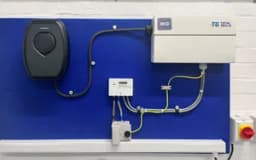
Related Course
EV Charging (2921)
Get qualified to install EV chargers with the C&G 2921-34
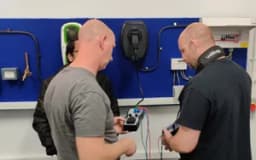
Related Course
Large-Scale EV (2921)
Want commercial contracts? Add the large-scale EV qualification
Frequently Asked Questions
How much does it cost to start an EV charging installation business?
How many EV charger installations can I do per day?
Do I need to stock EV chargers or does the customer buy them?
How do I become an approved installer for EV charger manufacturers?
Is the EV charging market saturated?
Can I install EV chargers alongside my existing electrical work?
Ready to Start Training?
Browse our City & Guilds accredited courses and take the next step in your electrical career.
Related Guides
How to Become an EV Charger Installer
The qualifications, training, and steps needed to install electric vehicle charging points in the UK.
Read guideEV Charging Courses Explained: 2921-34 & What You Need
Which EV charging course do you need? C&G 2921-34 covers domestic and small commercial installs — prerequisites, content, and comparisons.
Read guideEV Charger Installation Regulations UK
The regulations, standards, and codes of practice that govern EV charger installation in the UK.
Read guideCommercial EV Charger Installation vs Domestic: Key Differences
Commercial EV charger installation vs domestic — three-phase supply, load management, DNO applications, and qualifications beyond the 2921-34 explained.
Read guide