Become a Certified Solar PV & Battery Storage Installer
This comprehensive 5-day course delivers two City & Guilds Level 3 Awards, qualifying you to install both Solar Photovoltaic (PV) systems and Battery Energy Storage Systems (BESS) in domestic and commercial settings. Train at our fully equipped centre in Nottingham, easily accessible from across the East Midlands and beyond.
With the UK government's commitment to triple solar capacity by 2030 and new-build homes required to have solar panels from 2027, qualified installers are in unprecedented demand. The solar industry is projected to support 60,000+ jobs by 2035, making this the perfect time to gain these essential qualifications.
Who Is This Course For?
Qualified electricians expanding into renewables — You hold a Level 3 electrical qualification (2365, 2357, 5357, or equivalent) and want to add solar PV and battery storage to your skill set.
Gold Card holders diversifying their services — With domestic solar installations growing 29% year-on-year, adding these qualifications opens a significant new revenue stream.
Electricians seeking MCS certification — This course meets the competency requirements for Microgeneration Certification Scheme registration, essential for offering customers access to the Smart Export Guarantee (SEG).
Employers upskilling their workforce — We work with electrical contractors across the UK who send their teams to train with us. Contact us for group bookings and employer invoicing.
Course Structure — 5 Days at Our Nottingham Centre
The course runs Monday to Friday at our training centre in Brookfield Road, Arnold, Nottingham NG5 7ER. We run courses monthly — check the schedule above for the next available dates. Class sizes are limited to a maximum of 12 learners per cohort, ensuring you get plenty of hands-on time with all the equipment.
Solar PV Module — Days 1 to 3 (City & Guilds 2922-34)
Statutory legislation and documentation requirements for solar PV installations
Solar PV system components, architectures, and characteristics
Design and installation considerations for domestic and commercial systems
Testing, commissioning, and handover procedures
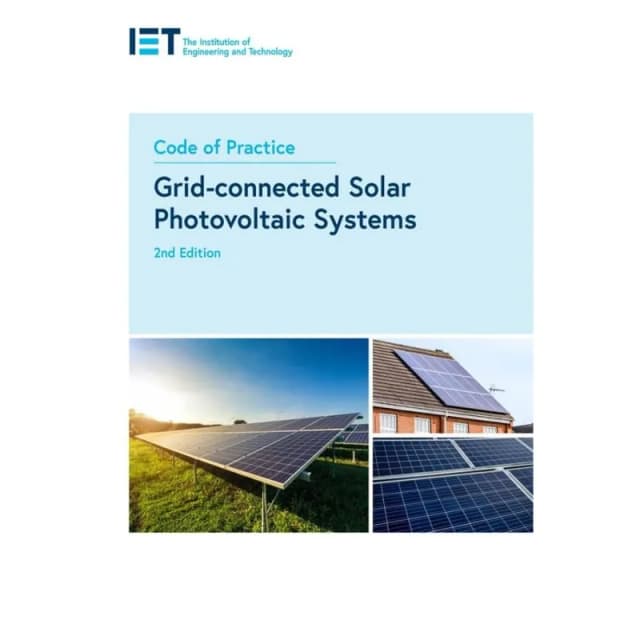
IET Code of Practice for Grid-Connected Solar Photovoltaic Systems
G98/G99 grid connection requirements and DNO notification procedures
Battery Storage Module — Days 4 and 5 (City & Guilds 2923-34)
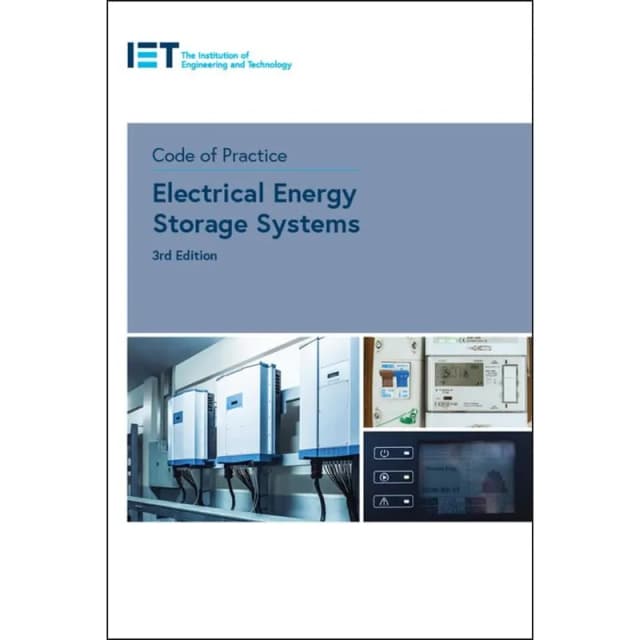
EESS safety requirements and safe working practices
Battery technologies, components, and system architectures
Design considerations for residential and small commercial battery storage
Testing, commissioning, and handover of EESS
Integration of micro-generation with battery storage (prosumer installations)
Hands-On Practical Training
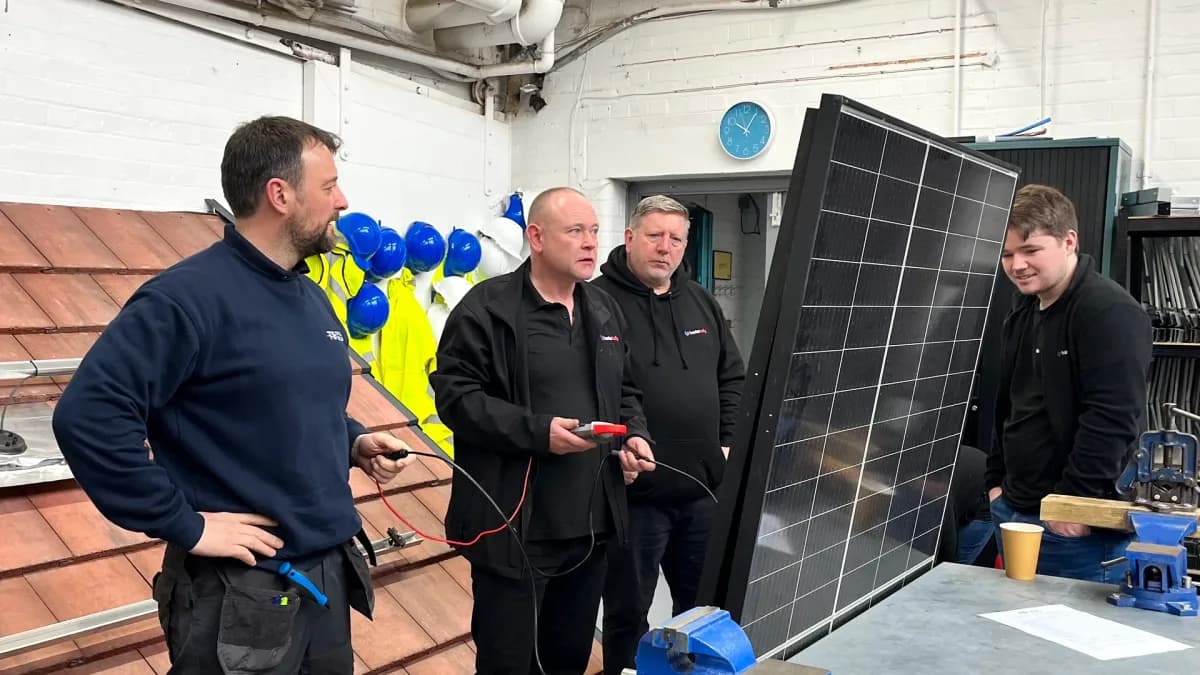
This is not a theory-only course. You'll work with industry-standard equipment throughout, including monocrystalline and polycrystalline solar panels, string inverters, hybrid inverters, microinverters, optimisers, lithium-ion battery storage systems, and all associated testing equipment. Our purpose-built training rigs allow you to practise complete installations in a controlled environment.
Assessment
Each qualification includes an online multiple-choice knowledge test delivered via the City & Guilds e-volve platform, plus a practical assessment. Our trainers provide comprehensive preparation throughout, and we maintain a 95%+ first-time pass rate.
MCS Certification Pathway
This course is a key step towards becoming an MCS-certified installer. MCS certification is required for your customers to access the Smart Export Guarantee (SEG), allowing them to sell excess electricity back to the grid. As an MCS-certified installer, you can offer customers:
Smart Export Guarantee (SEG) payments for surplus energy
0% VAT on domestic solar and battery installations
Quality assurance and consumer protection under the MCS scheme
Career Opportunities and Earning Potential
Qualified Solar PV and Battery Storage installers are in high demand across the UK. Typical career paths include:
Domestic solar panel and battery storage installation
Commercial solar PV projects
Battery storage integration and retrofits
Solar + EV charging integrated solutions
Smart energy management systems
Qualified installers typically earn £35,000–£55,000+ annually, with self-employed installers often earning considerably more as demand continues to grow.
Getting Here
Our training centre is located at Brookfield Road, Arnold, Nottingham NG5 7ER, with free on-site parking. We're in Arnold, just north of Nottingham city centre, easily accessible from the M1 (Junction 26), A60, and A614. Learners regularly travel from across the East Midlands — Derby, Leicester, Lincoln, Sheffield — and further afield. Nottingham has excellent rail connections, with the centre a short taxi ride from Nottingham station.
Payment Options
We offer flexible payment options including a deposit to secure your place, with the balance due before your course start date. Employer invoicing is available for company-funded bookings. Contact us on 0115 666 2366 to discuss payment arrangements.
Our solar panel installation course — officially the City & Guilds 2922-34 and 2923-34 solar installation course — awards two separate City & Guilds Level 3 Awards: the 2922-34 Installation and Maintenance of Small Solar Photovoltaic Systems (Ofqual 610/4841/0) and the 2923-34 Design, Installation and Commissioning of Small Electrical Energy Storage Systems (Ofqual 610/4840/9). Both qualifications carry the TESP Electrician Plus kitemark and are the industry-standard route into MCS-registered renewable installer work. Training takes place on a purpose-built training roof in Nottingham with class sizes limited to 12. Unlike providers who split solar PV and battery storage into two courses, we cover both in a single 5-day programme at £1,000 for both qualifications — more cost-effective than competitors who charge £395 to £720 for solar PV alone, and means one week off work instead of two.
Entry Requirements
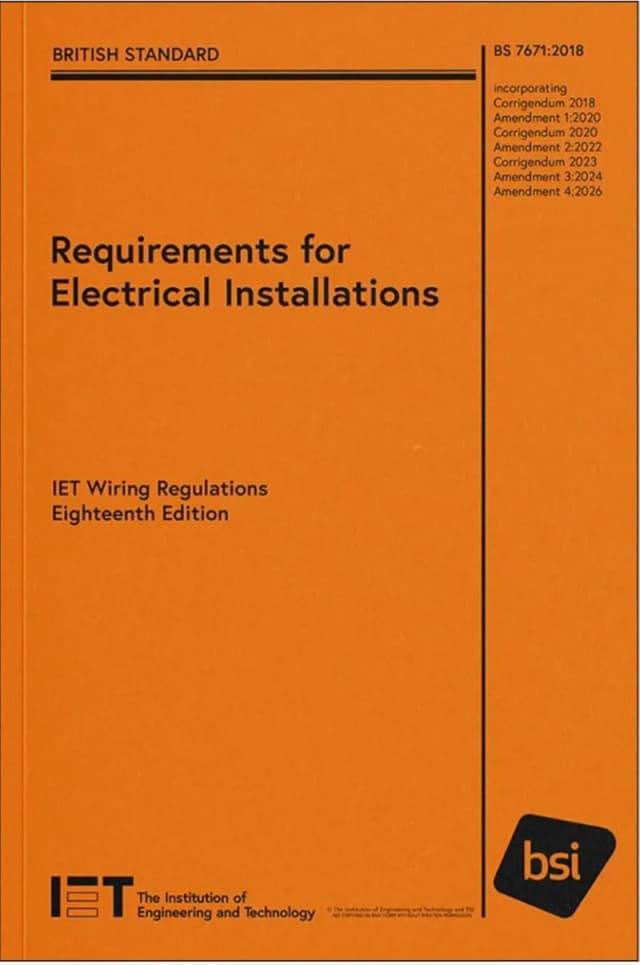
Both qualifications are for practicing electricians. You must hold one of: 2357 NVQ Level 3 (Buildings, Structures & Environment, or Electrical Maintenance); 2356 Electrotechnical Services Experienced Worker; 2346 EWA; 5357 Level 3 Electrotechnical; historical equivalents per the Electrotechnical Assessment Specification (EAS); or a valid ECS Gold Card (Installation, Maintenance or Domestic Electrician) issued by JIB or SJIB. Scottish learners: SVQ Level 7. Welsh learners: EAL Level 3 Electrotechnical Installation. 5-year currency rule: your prerequisite qualification must have been achieved within the last 5 years, OR you must hold the current 18th Edition (2382-26, Amendment 4 / Orange Book) as evidence of currency. The 2365 Level 2/3 Diploma alone is not sufficient. Age 18+.
Course Content & Assessment
The 5-day programme covers the full scope of domestic and small commercial installations. Solar PV (2922-34): system design (array sizing, orientation, shading analysis, yield calculations), DC wiring and string configuration, inverter selection, AC connection to the consumer unit, and G98 / G99 grid connection applications. Battery Storage (2923-34): system types, charge / discharge management, hybrid inverters, integration with existing solar arrays, and commissioning. All installation work is carried out to the current BS 7671:2018+A4:2026 (Amendment 4 / Orange Book) standard. Each qualification has two assessments: an online multiple-choice knowledge test plus a practical assignment (SPV01 for solar, equivalent for EESS), both graded Pass / Fail.
MCS, Smart Export Guarantee & Grant Schemes
The 2922-34 and 2923-34 are the technical qualifications route to MCS (Microgeneration Certification Scheme) installer registration. MCS registration is what allows your customers to claim the Smart Export Guarantee (SEG) — payments from licensed electricity suppliers for surplus electricity exported to the grid (typical tariffs 5p to 15p per kWh depending on supplier). MCS is also the installer requirement for the ECO4 scheme (Energy Company Obligation, funded insulation and low-carbon measures for low-income households) and local authority retrofit programmes under Warm Homes: Local Grant. Without MCS registration, customers cannot access SEG or government-funded schemes, so MCS is effectively the commercial prerequisite for running a profitable renewable installer business.
What This Qualification Unlocks
Completing both qualifications puts you on the route to MCS registration for solar PV and battery storage, opens manufacturer installer networks (Tesla Powerwall, GivEnergy, Growatt, SolarEdge, Enphase, SunSynk), and positions you for both retrofit and new-build work. Pairs naturally with 2921-34 EV Charging and the 2391 Inspection & Testing qualification (required for the commissioning inspection of each new system). If your existing 18th Edition is older than Amendment 4, pair this course with our 18th Edition 2382-26 course or exam to keep your BS 7671 knowledge current. Part of our home study electrician course pathway.
Can I Do the Solar Course Online?
No. The City & Guilds 2922-34 and 2923-34 qualifications require hands-on practical training and cannot be completed online. Each qualification includes a practical assignment carried out on our purpose-built training roof in Nottingham — working with real solar panels, inverters, and battery storage systems under trainer supervision. This hands-on element is what makes the qualification credible to MCS assessors and employers: they know you have actually worked on a real installation, not just passed a theory test. Remote or online delivery is not available for this course, and any provider claiming to offer a fully online solar installer qualification should be treated with caution.
Career and Earning Potential
Solar PV and battery storage is among the most profitable specialisms available to electricians. A typical domestic solar PV installation (3–4kWp) takes one to two days and charges £4,000 to £8,000 including panels and equipment. Battery storage retrofits add £2,000 to £4,000 per job. Self-employed MCS-registered installers regularly earn £300 to £500 per day, with experienced installers completing two or three domestic systems per week. The combination of solar PV, battery storage, and EV charging positions you for the growing home energy market where customers want a single electrician to handle all three. The course is ELCAS eligible for Armed Forces personnel.
Not a qualified electrician?
The 2922/2923 qualifications require an existing electrotechnical qualification, so they are not open to everyone. If you are a roofer, tradesperson, work in solar sales, or simply want to understand how solar PV systems work, our 2-day Solar PV CPD course is open to anyone — no entry requirements — with hands-on installation practice on the same purpose-built training roof, at £300 incl. VAT. If you want to work towards the professional qualification, the route starts with the 2365 Level 2 Diploma.

 JIB Preferred Provider
 Electrician Plus